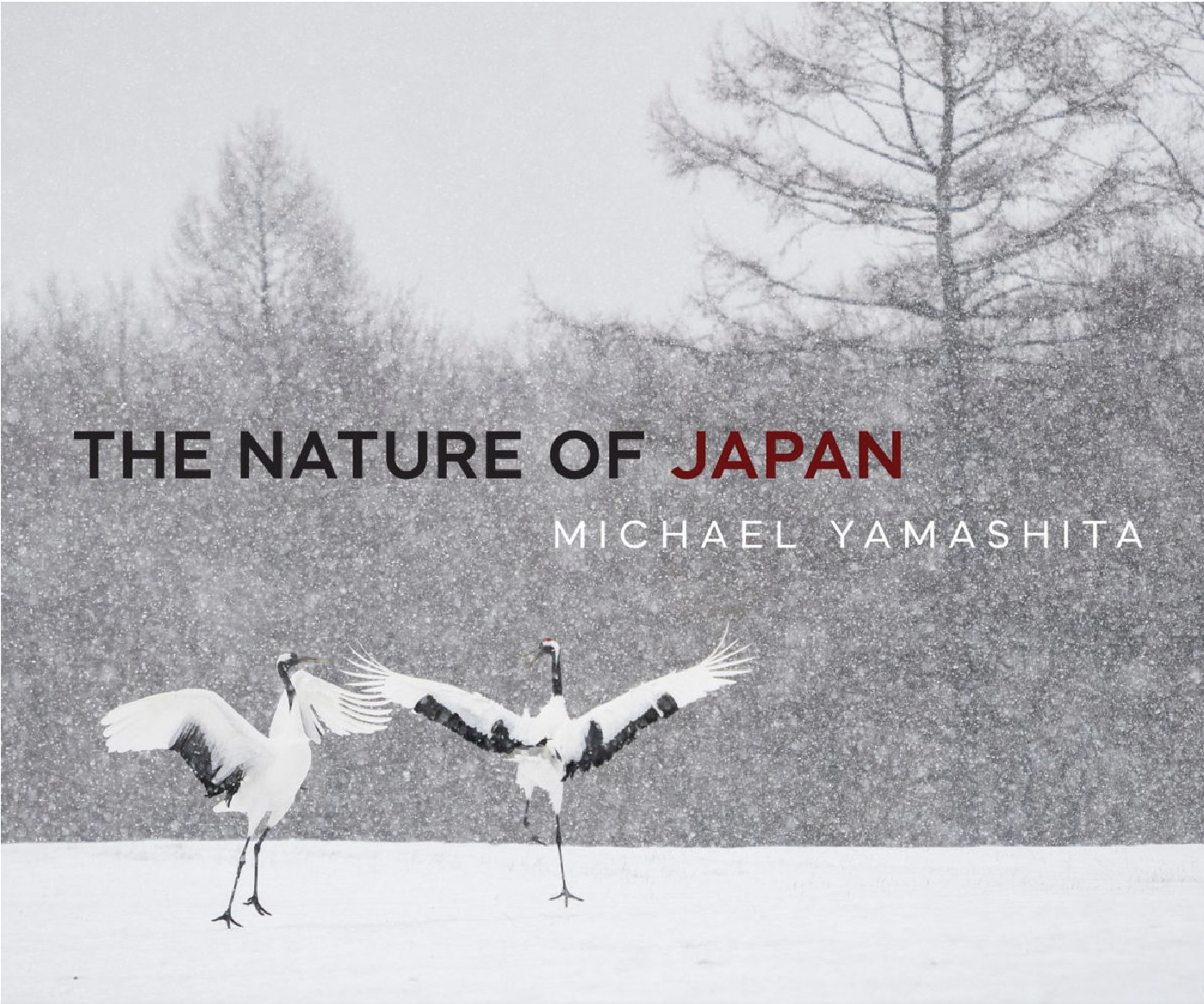
THE NATURE OF JAPAN
World-famous photographer Mike Yamashita's stunning visual journey through Japan's serene and timeless landscapes
The Nature of Japan is Michael Yamashita's deeply personal photographic exploration of Japan, shaped by his lifelong connection to his ancestral homeland and decades as a National Geographic photographer.
The book traces Yamashita's journey from his first visit to Japan—sparked by a desire to understand his heritage—through years of immersion in the country's landscapes, traditions, and spiritual philosophies. Through evocative images and reflections, Yamashita reveals the intricate relationship between Japan's people and its natural world, drawing on Shinto and Buddhist influences that celebrate the interconnectedness and impermanence of all things. His work goes beyond tourist clichés, offering a sensory translation of Japan's scenery, gardens, and daily life, informed by concepts like mono no aware, wabi-sabi, and the artistry of pattern and light.
The book invites readers to see Japan through Yamashita's lens—where the sacred is found in everyday details, and beauty emerges from both the fleeting and the timeless.
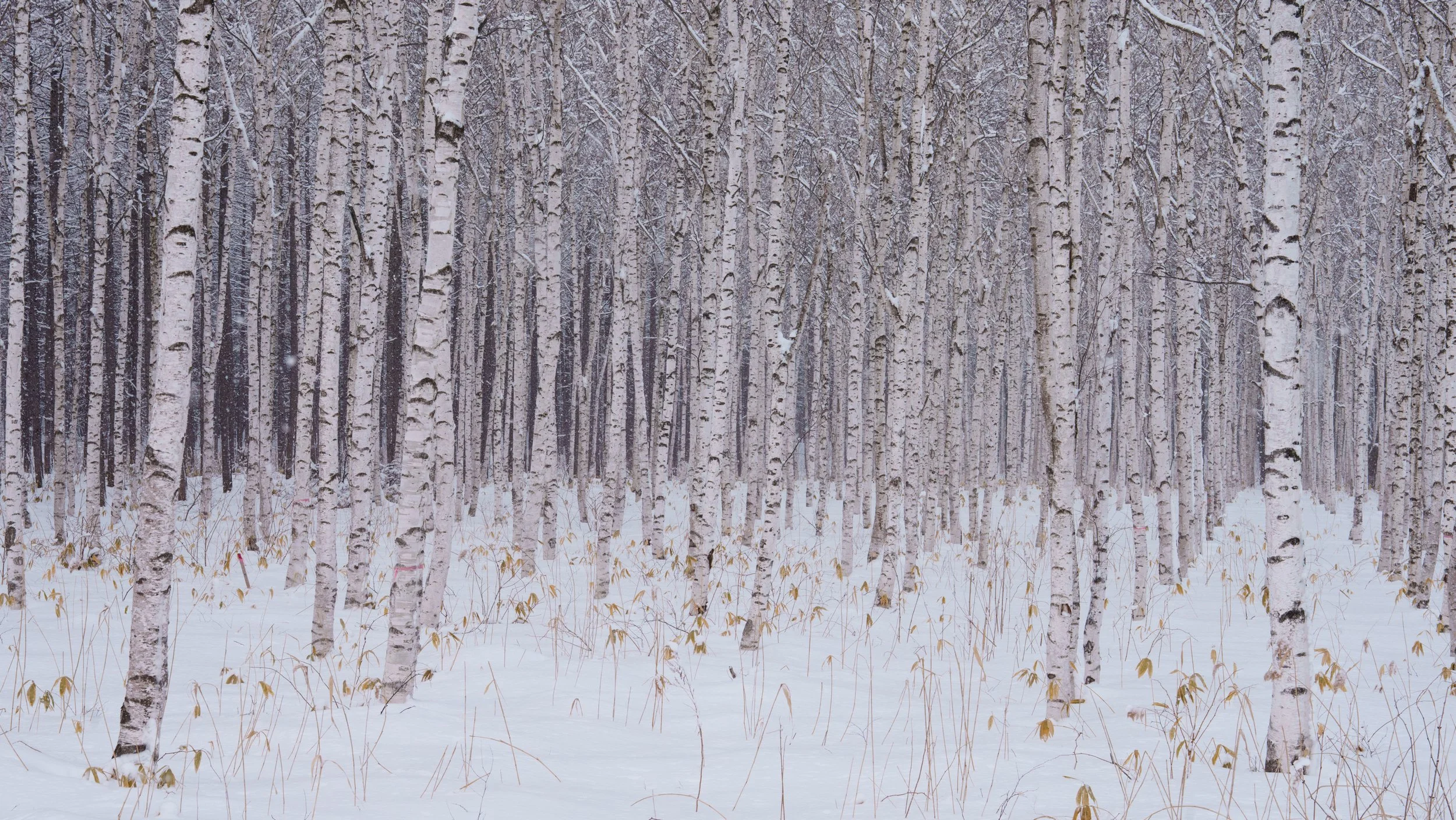
Birch Trees, Tokachi, Hokkaido. 2023
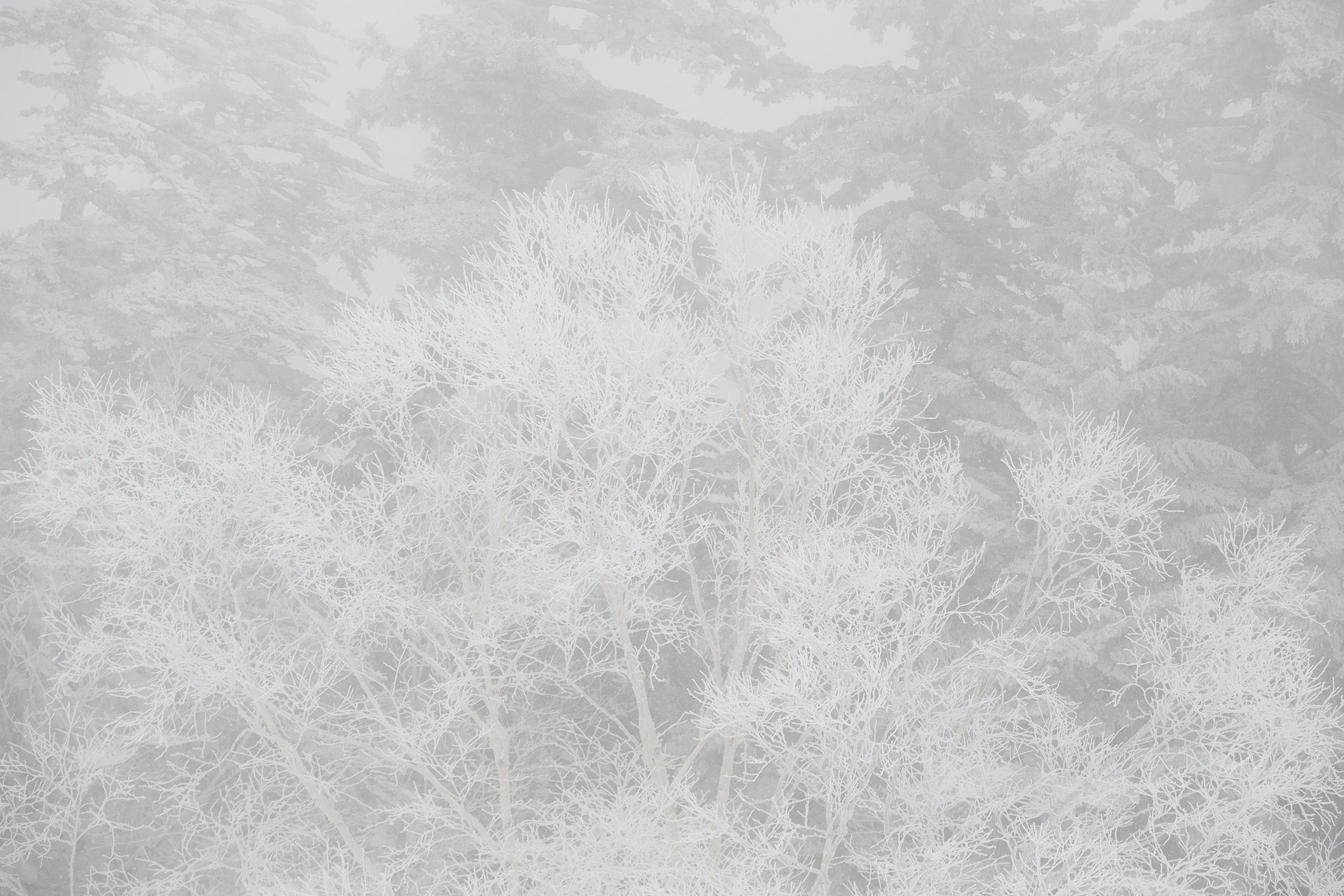
Frozen Trees, Daisetuzan National Park, Hokkaido. 2007
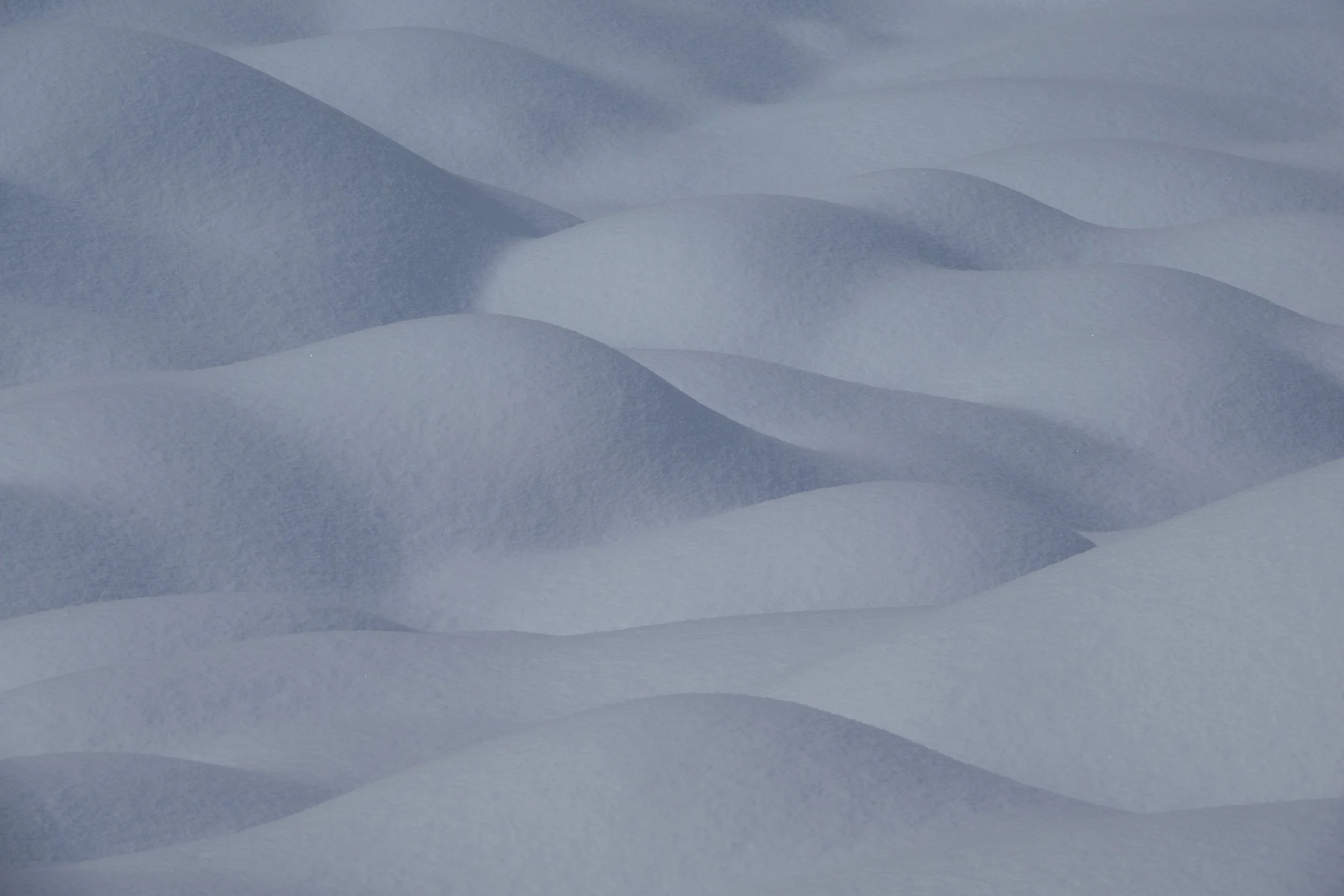
Mt. Asahidake, Diasetsuzan National Park, Hokkaido. 2007
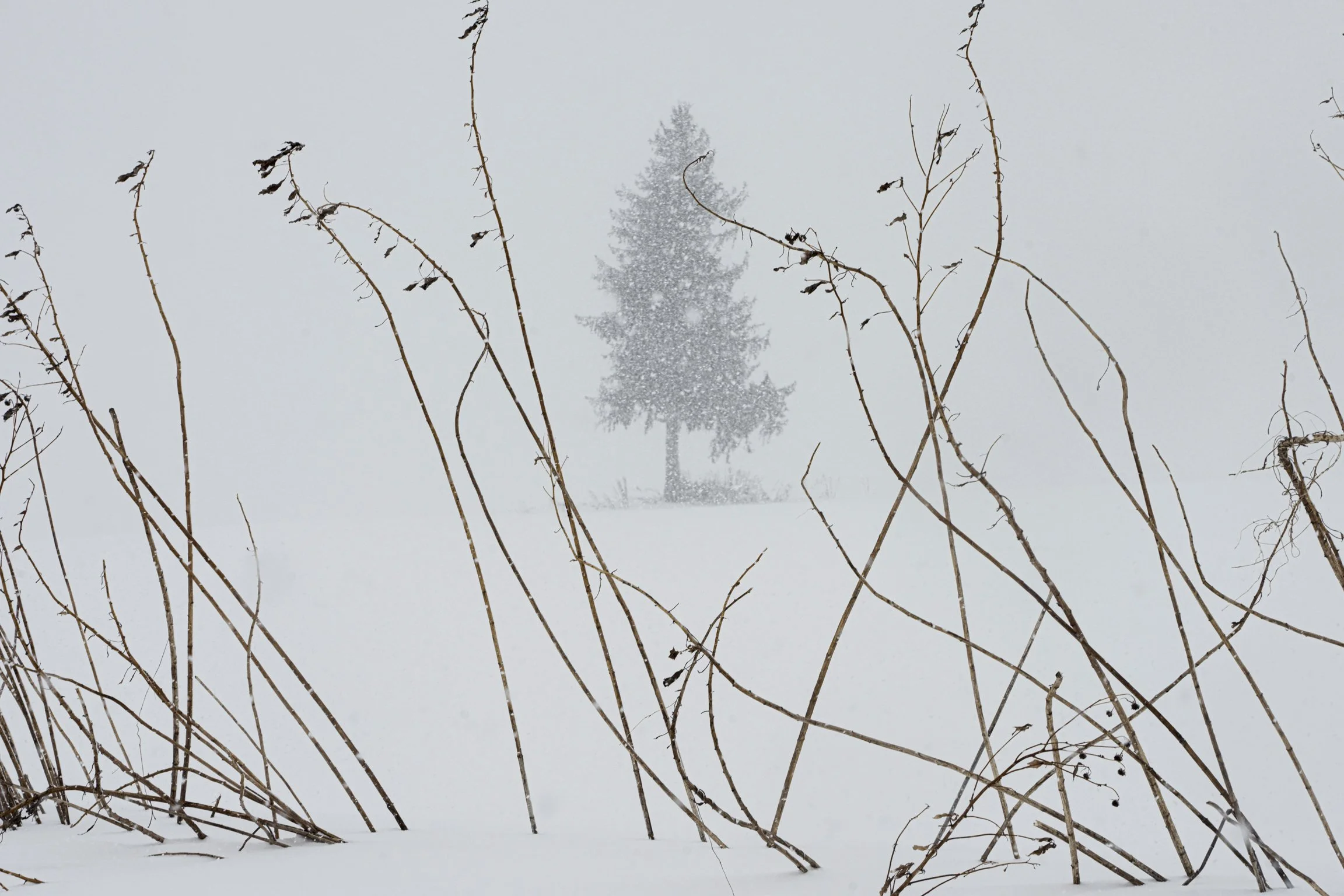
"The Christmas Tree," Biei, Hokkaido. 2004
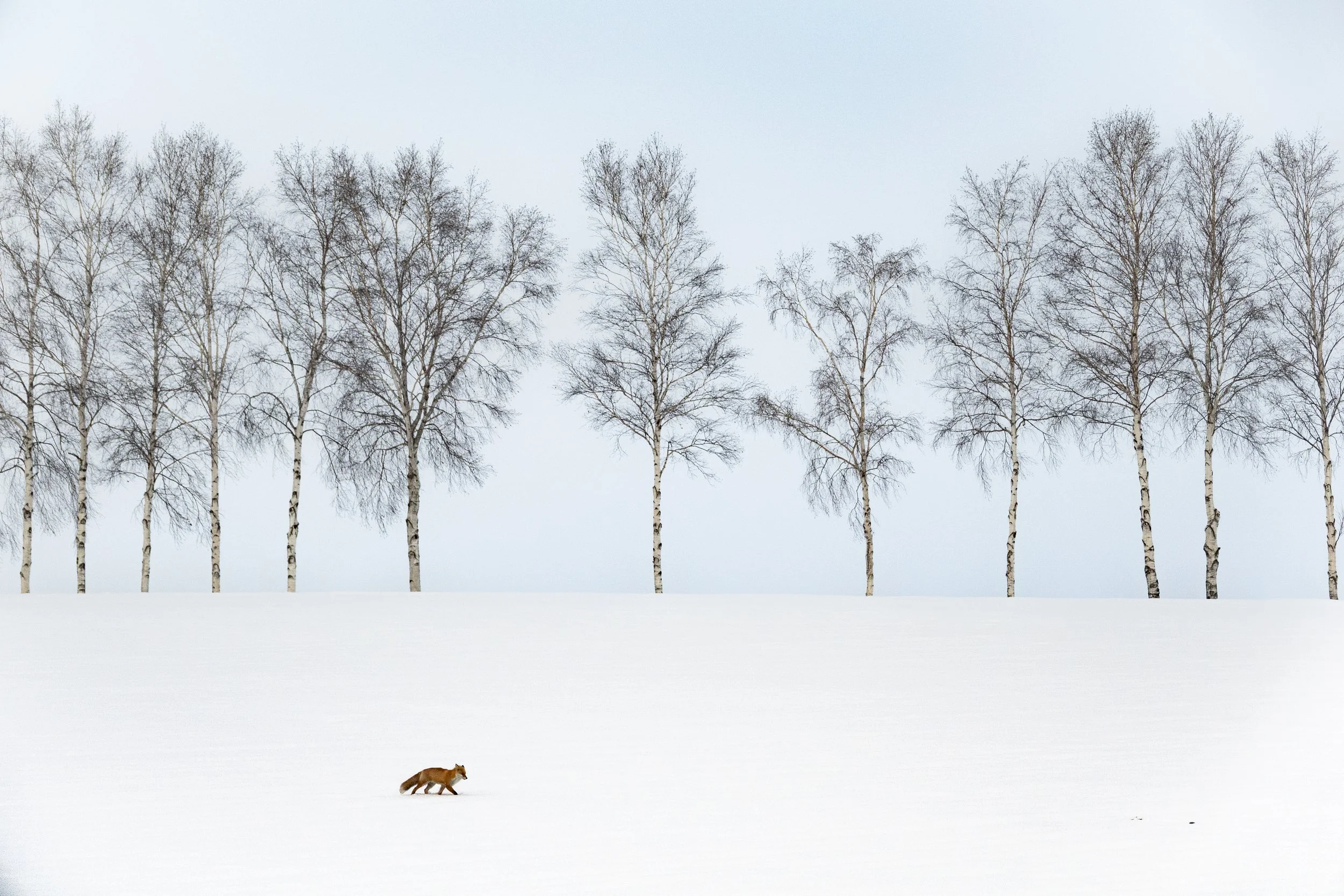
Ezo Red Fox, Mild Seven Hill, Biei Hokkaido. 2024
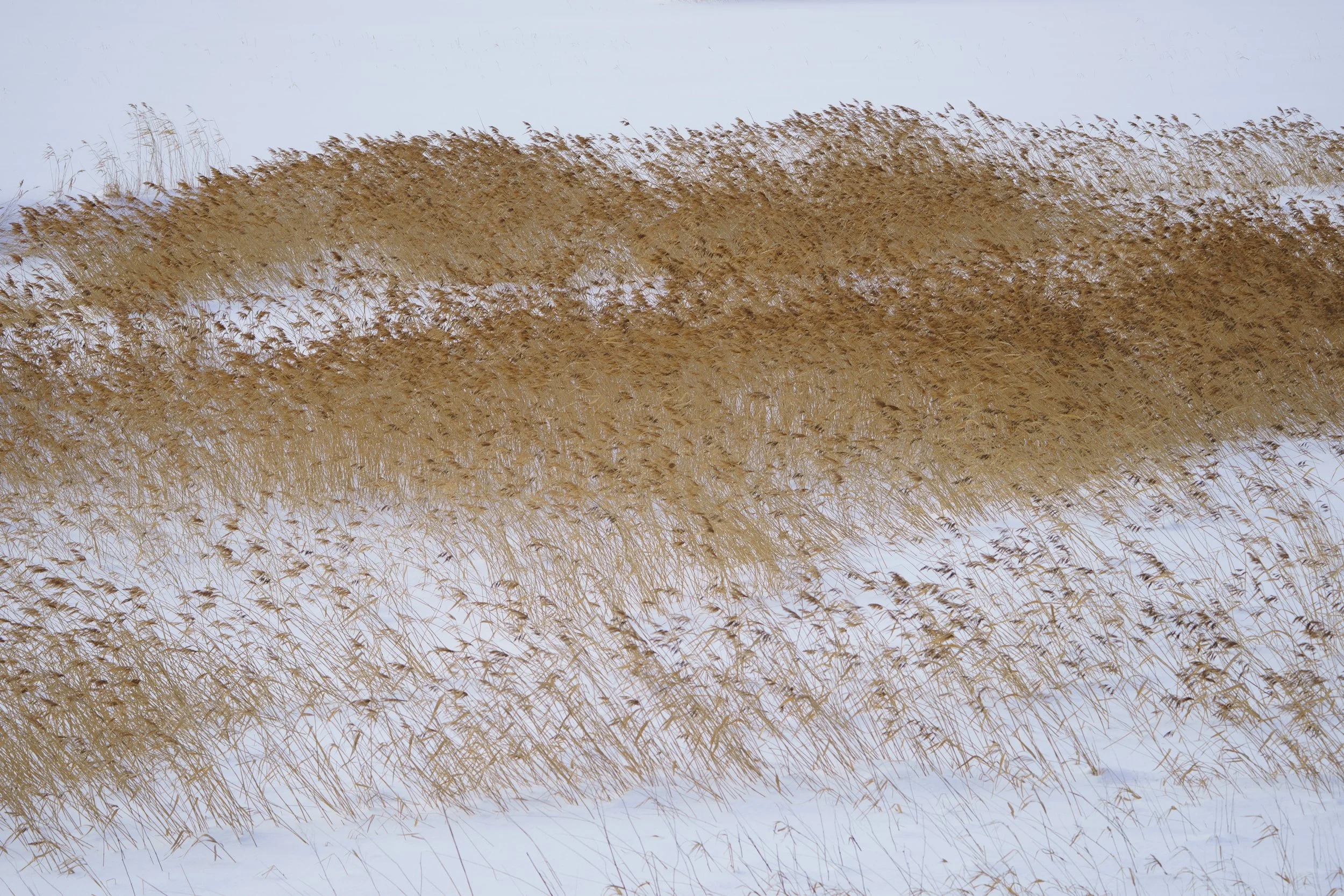
Pampas Grass, Kusharo, Hokkaido. 2020
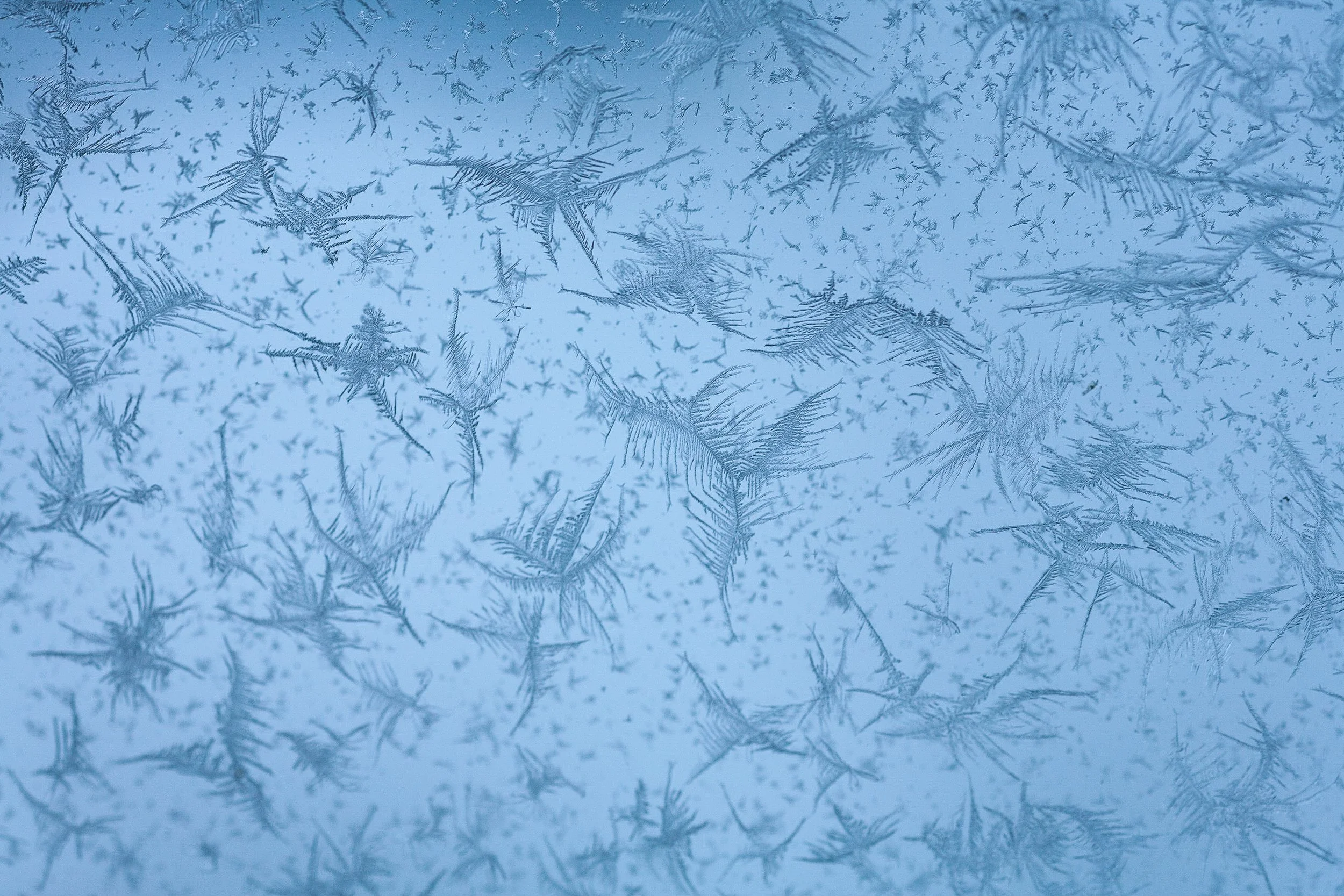
Window Frost, Ashidake Hot Spring, Hokkaido. 2007
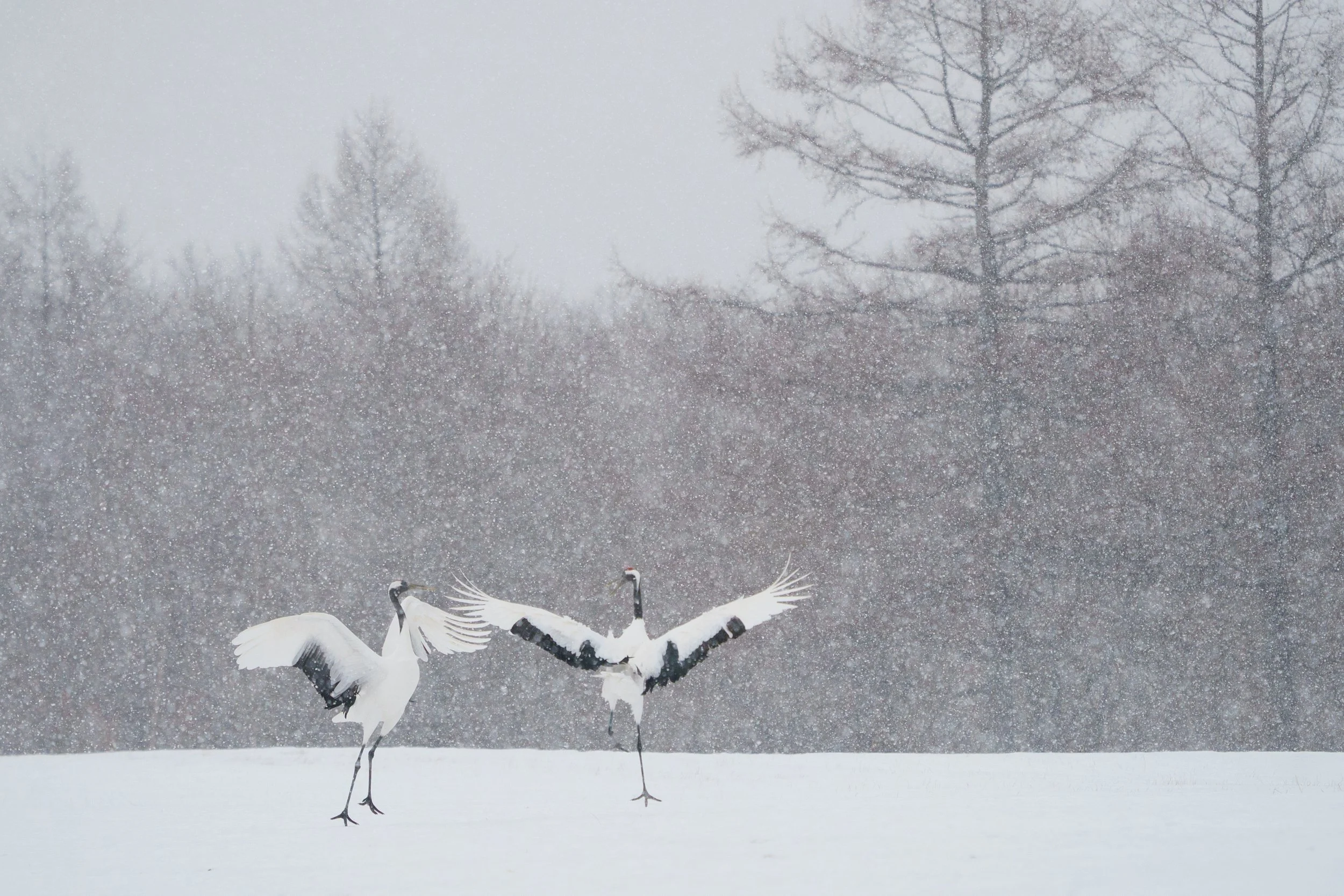
Red Crested Cranes Tsurui, Hokkaido. 2020
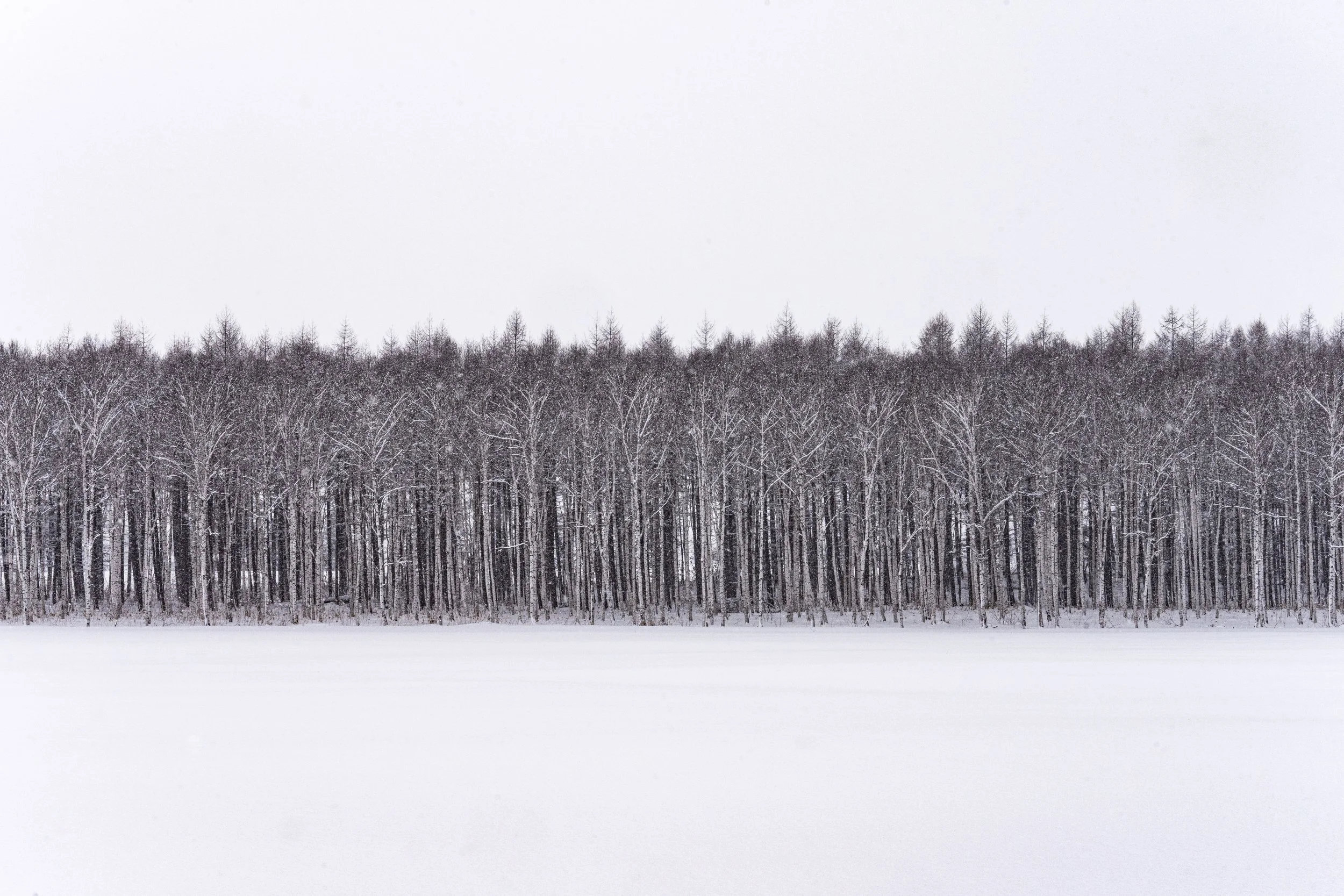
Larch Trees, Tokachi, Hokkaido. 2023
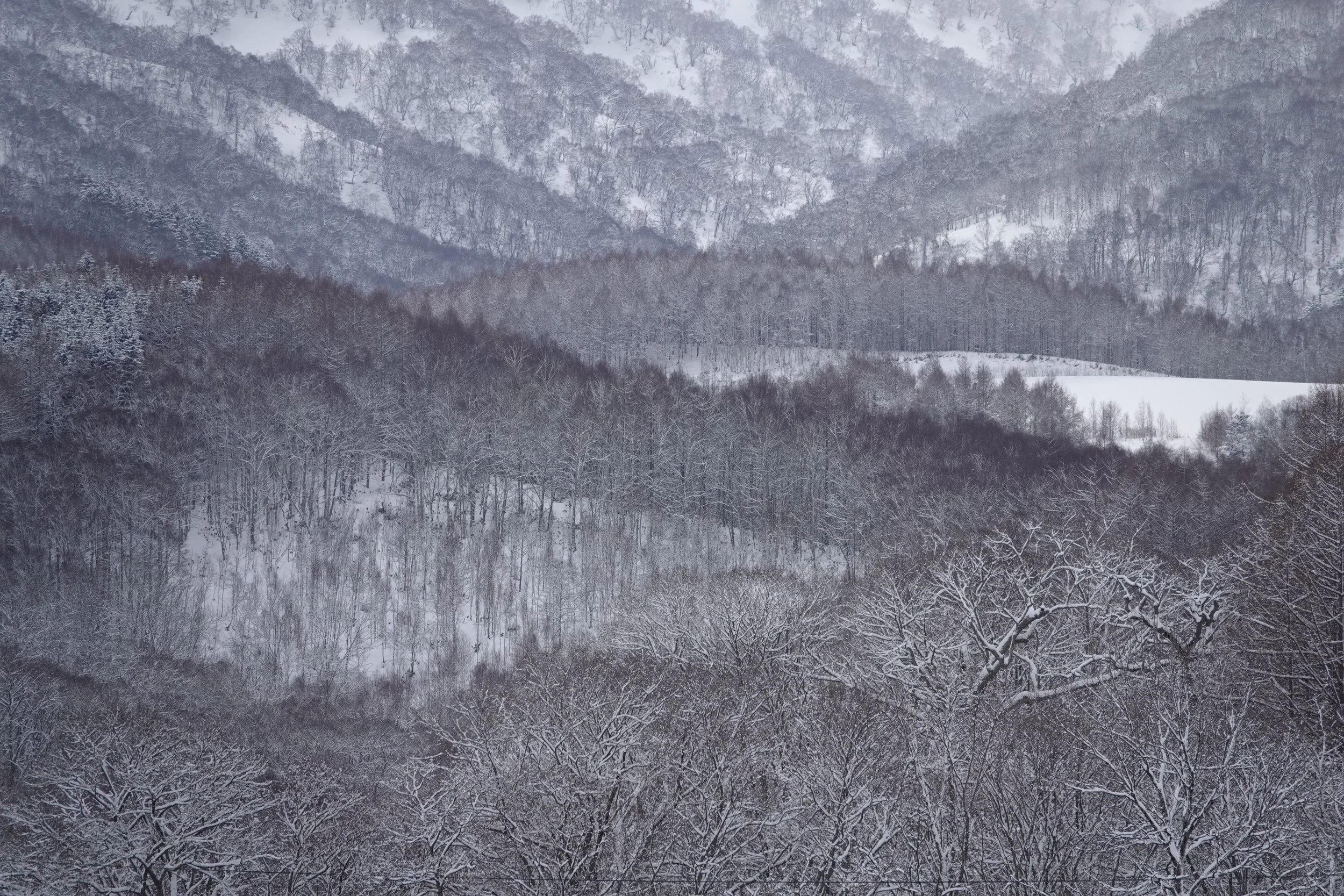
Niseko, Hokkaido. 2020
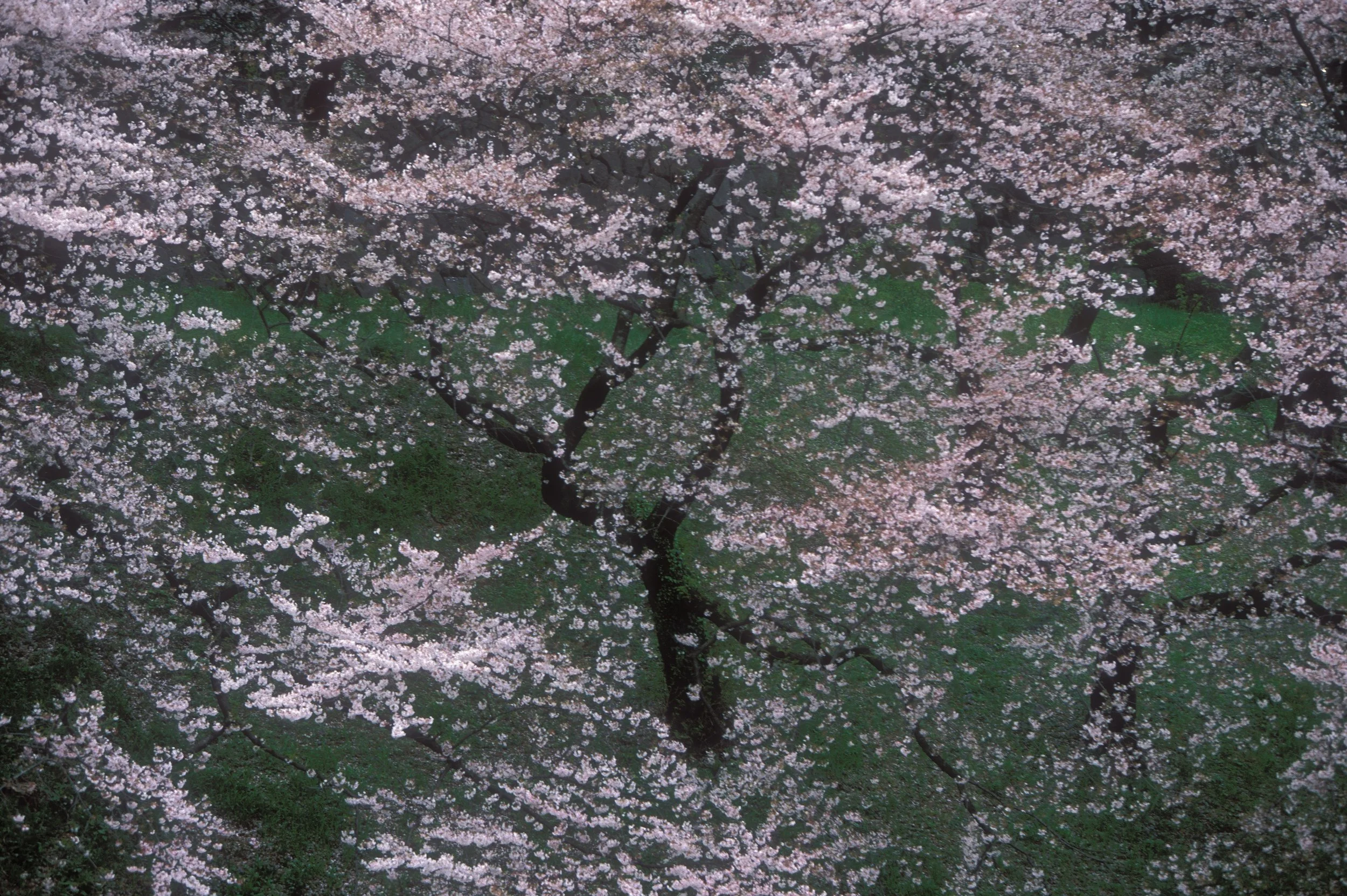
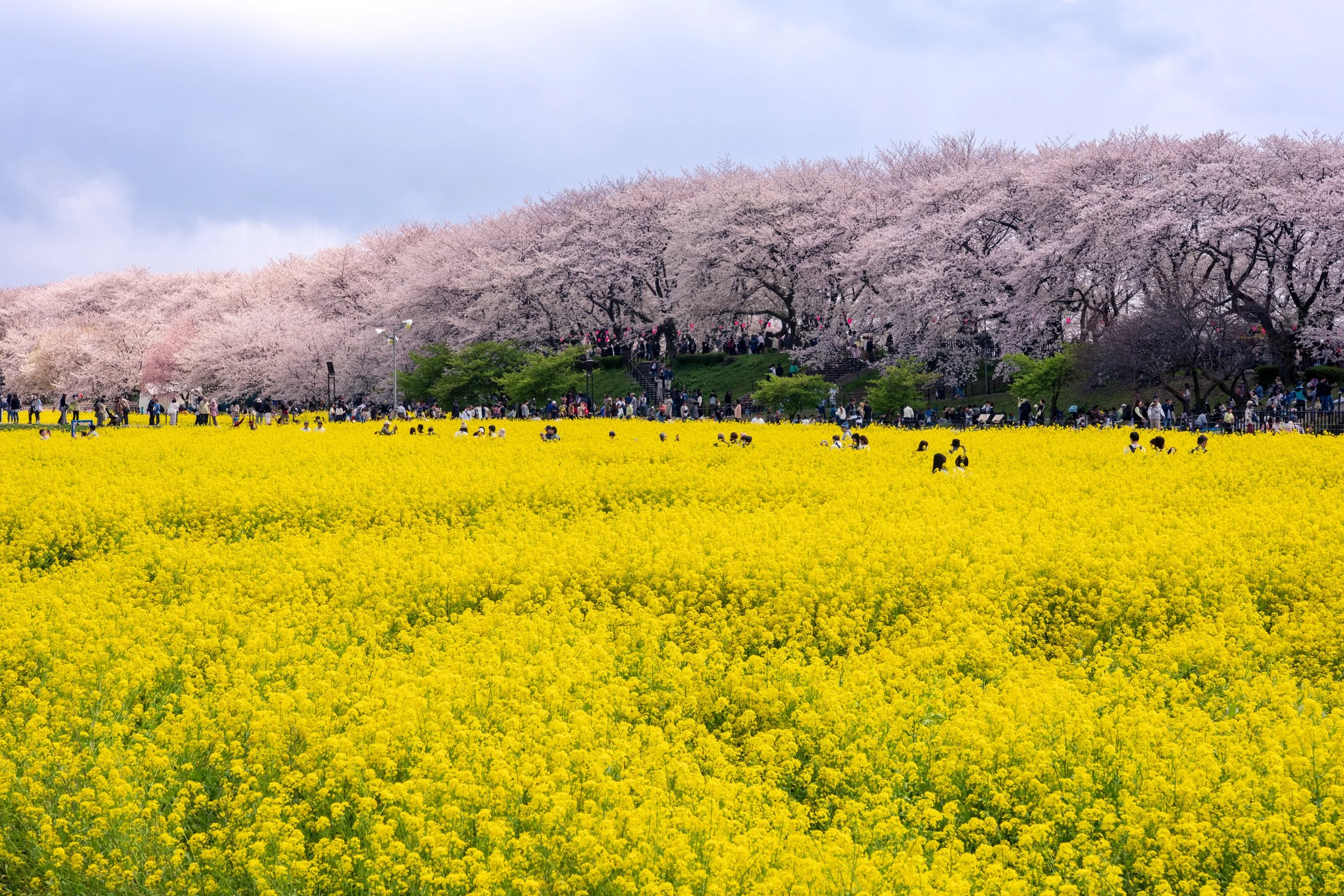
Cherry Blossoms, Chidorigafuchi Park, Imperial Palace, Tokyo. 2003
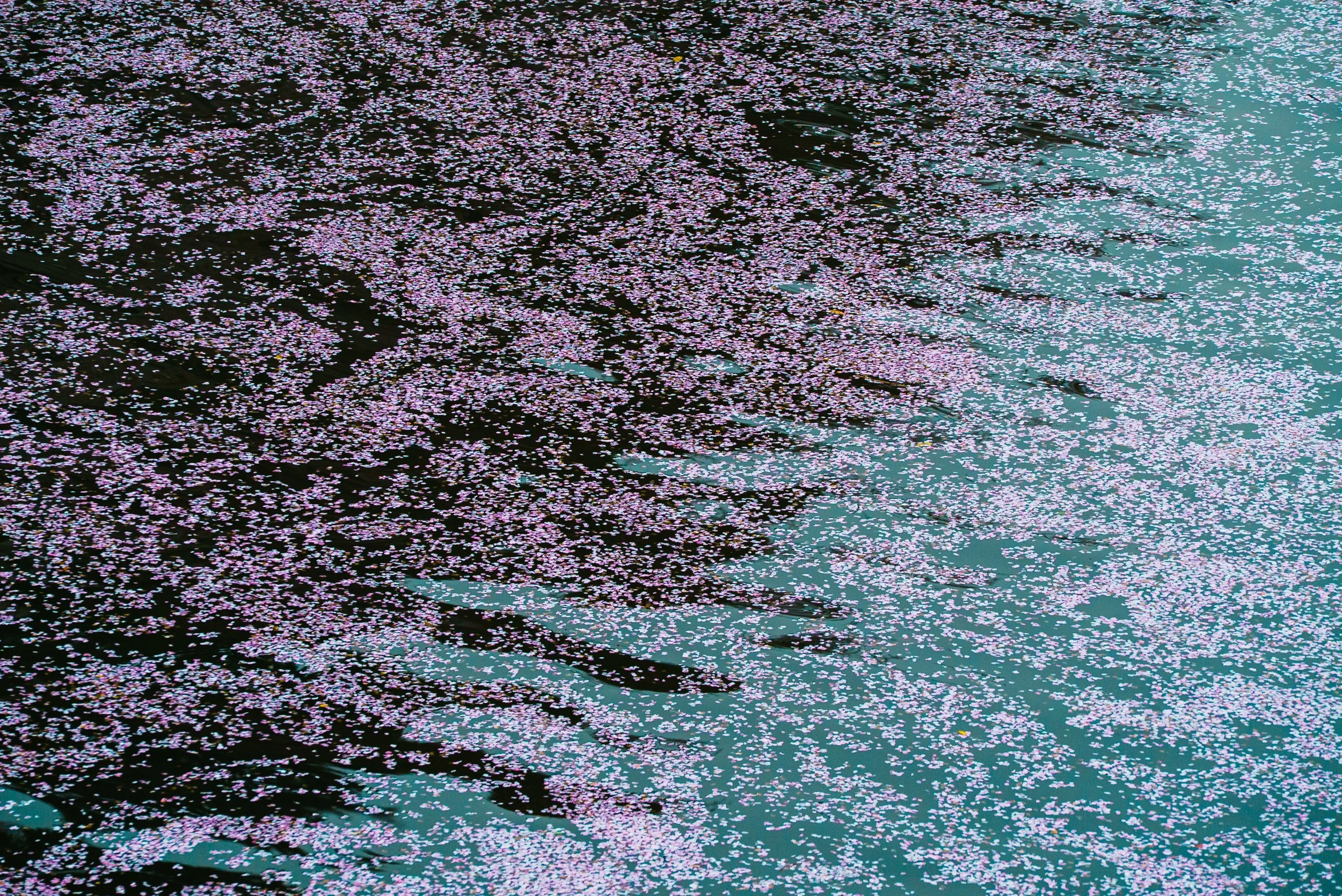
Cherry Blossoms, Chidorigafuchi Park, Imperial Palace, Tokyo. 2016
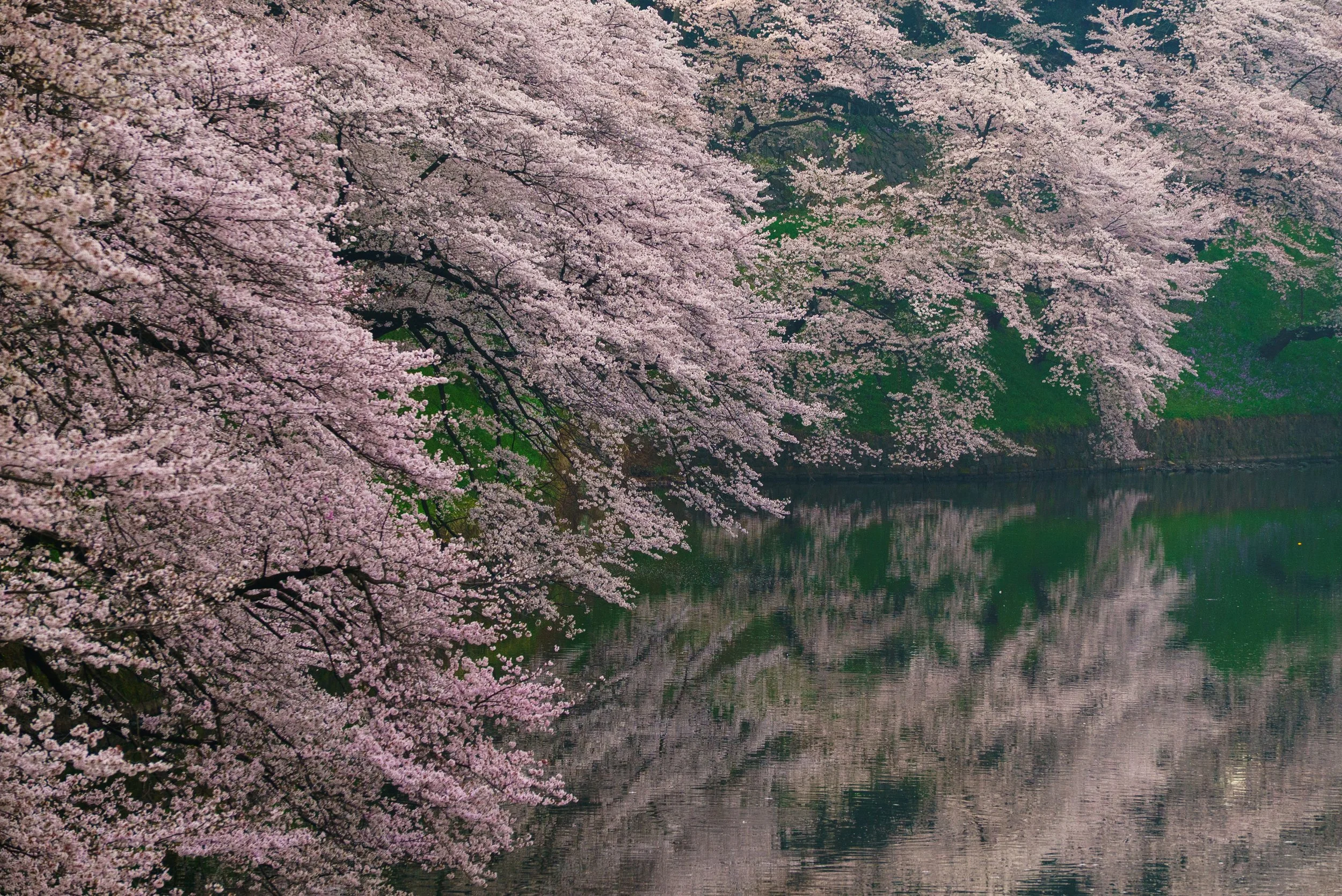
Cherry Trees, Chidorigafuchi Park, Imperial Palace, Tokyo. 2016
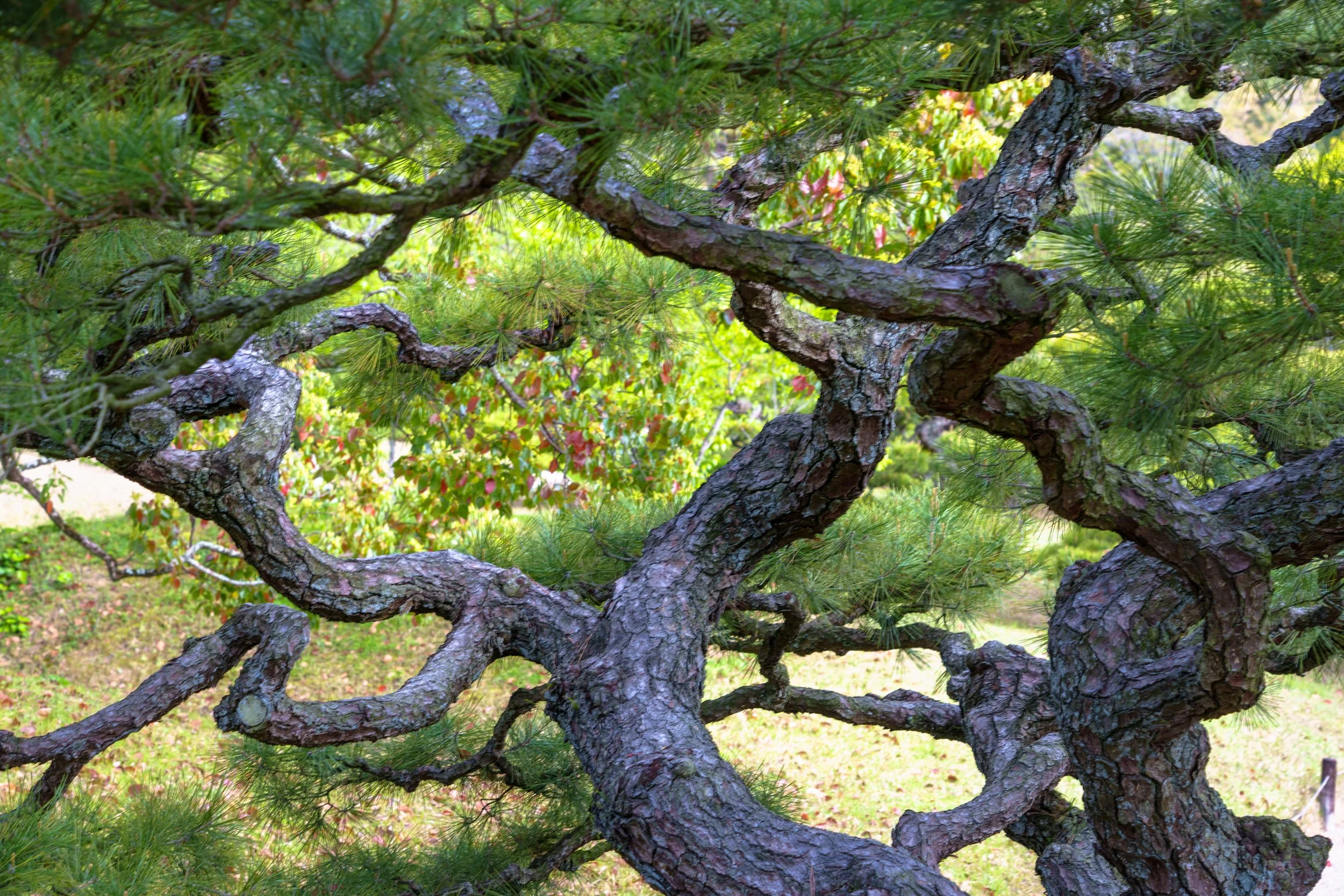
Ritsurin Garden, Takamatsu, Shikoku. 2025
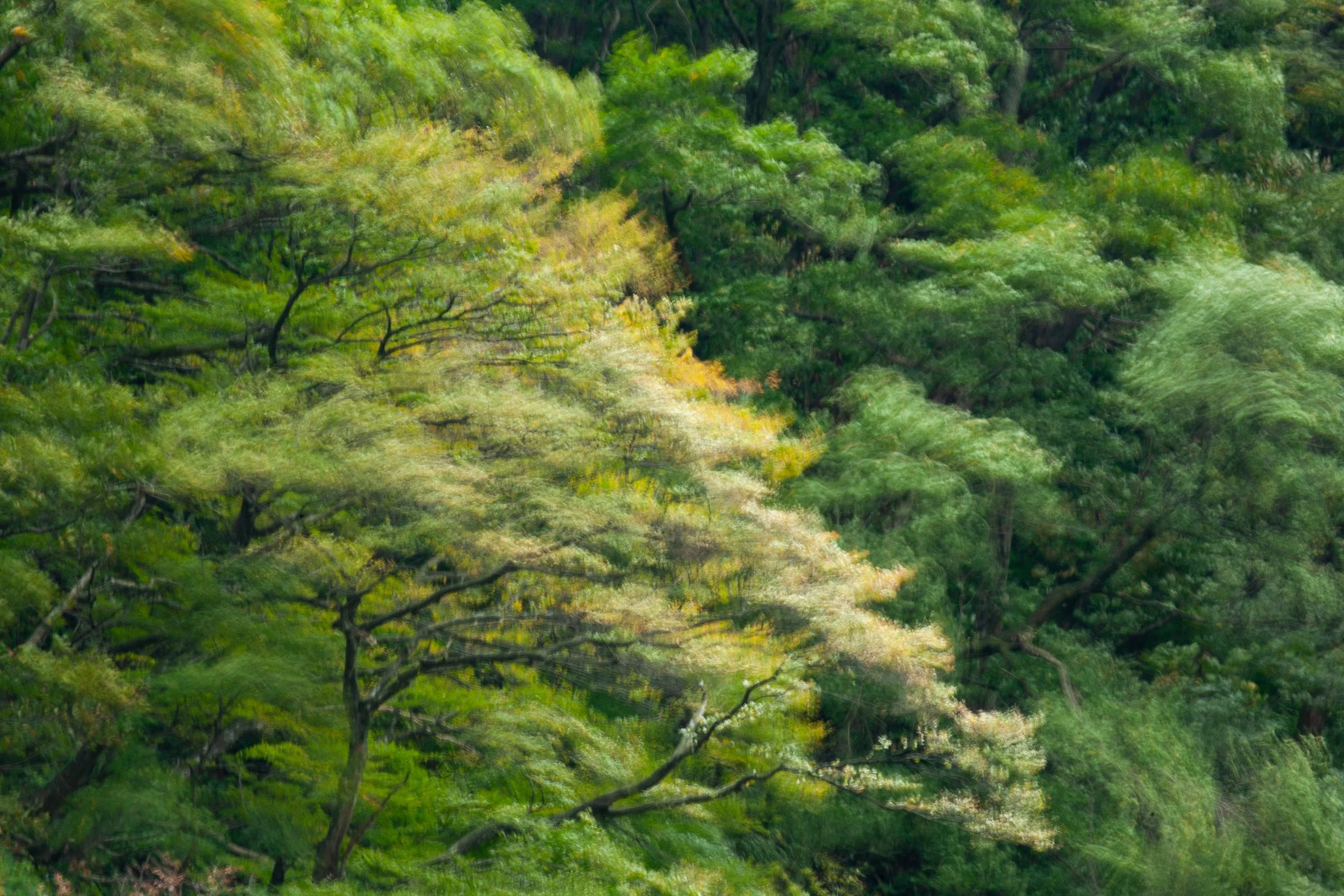
Murakami Forest, Nigata Prefecture, Chubu. 2006
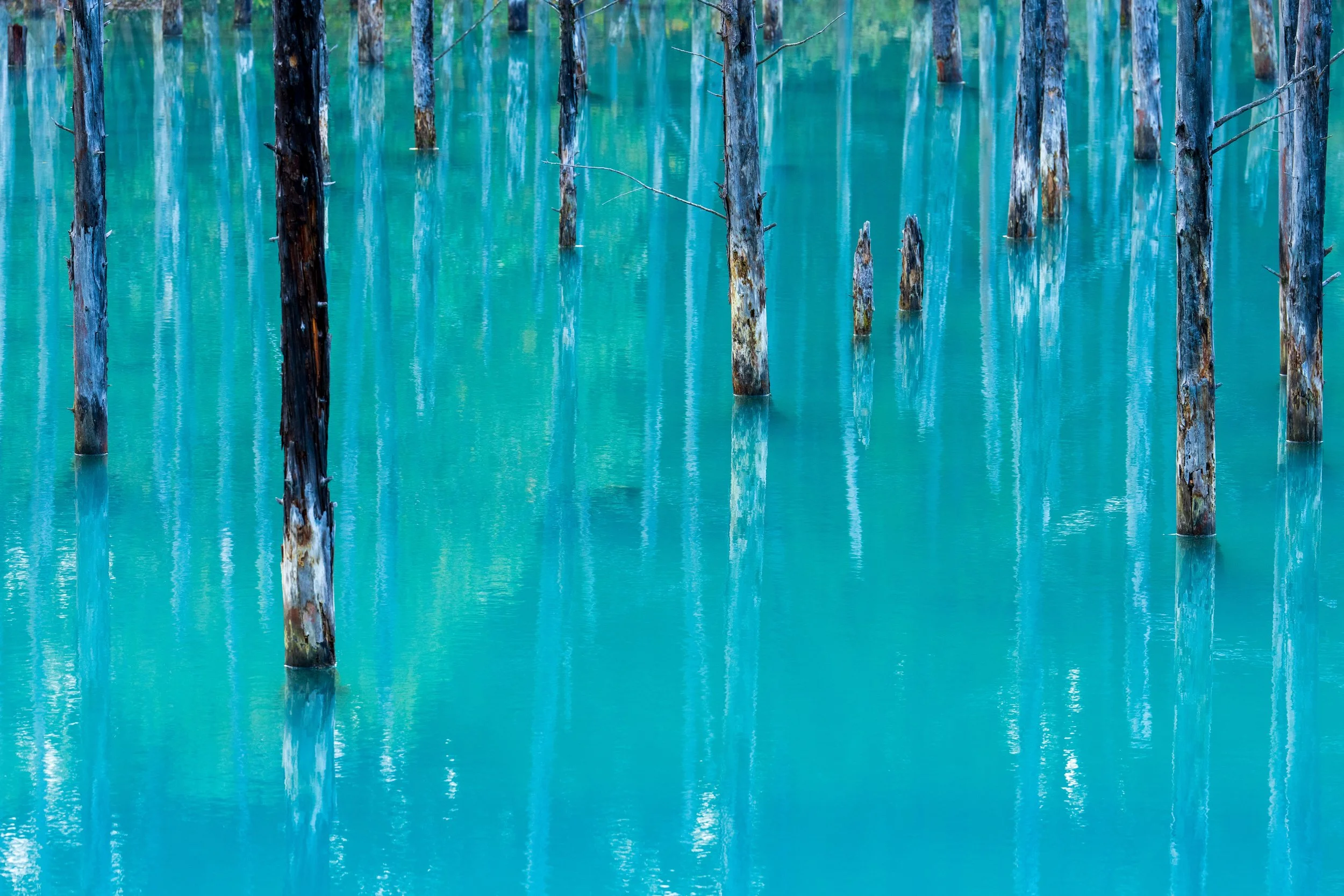
Blue Pond, Biei, Hokkaido. 2023
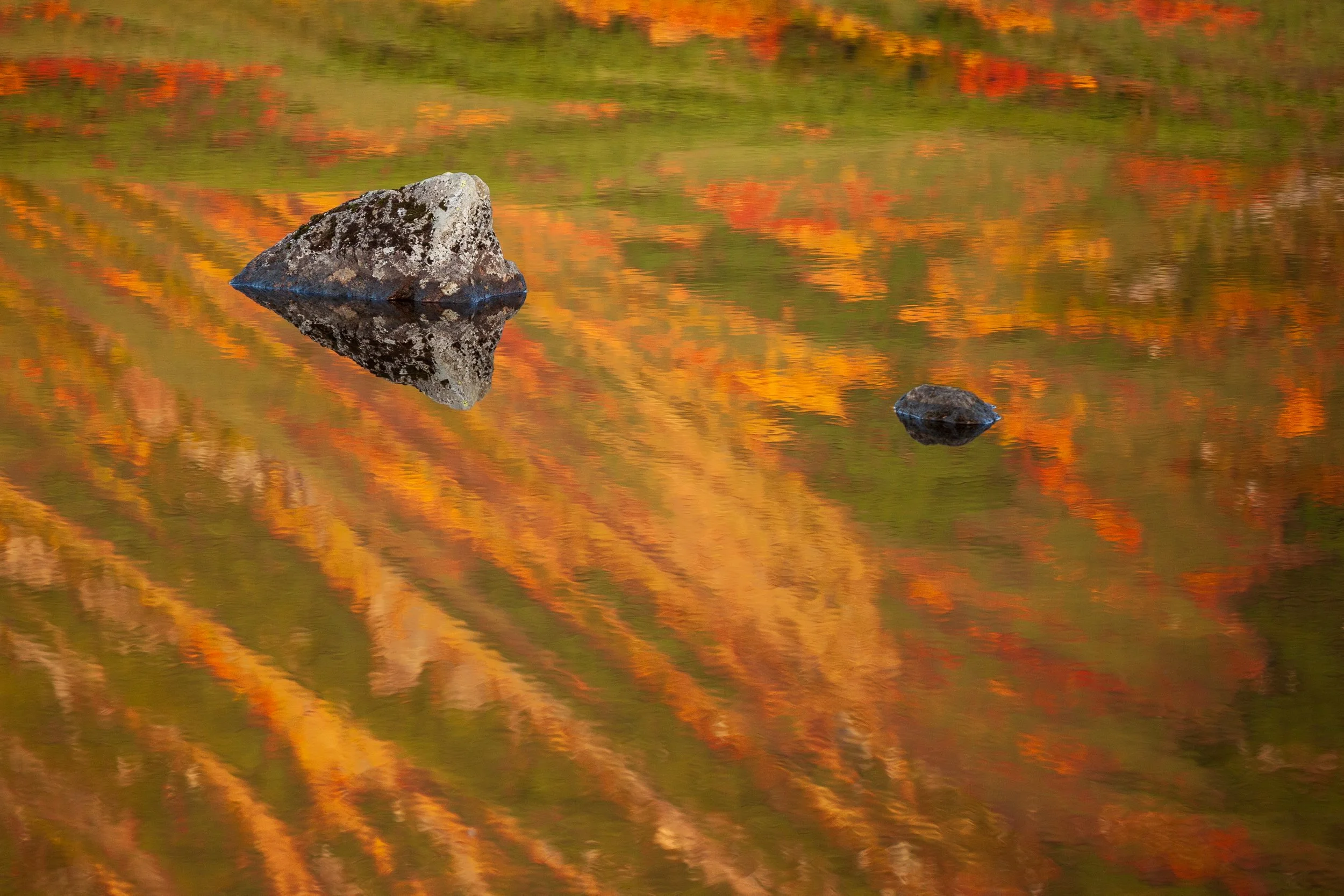
Numanodaira Pond, Daisetsuzan National Park, Hokkaido. 2007
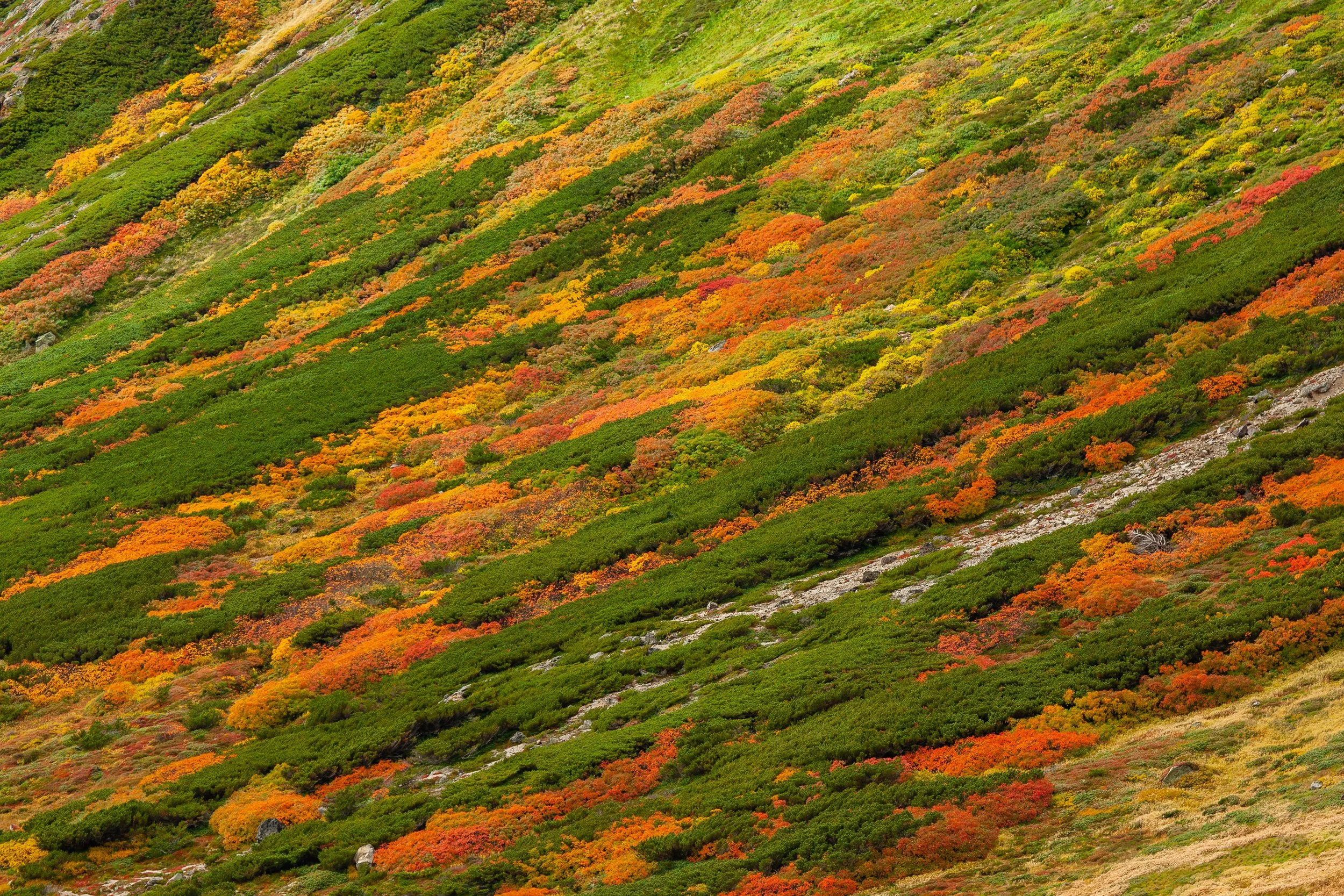
Mt. Asahidake, Daisetsuzan National Park, Hokkaido. 2007
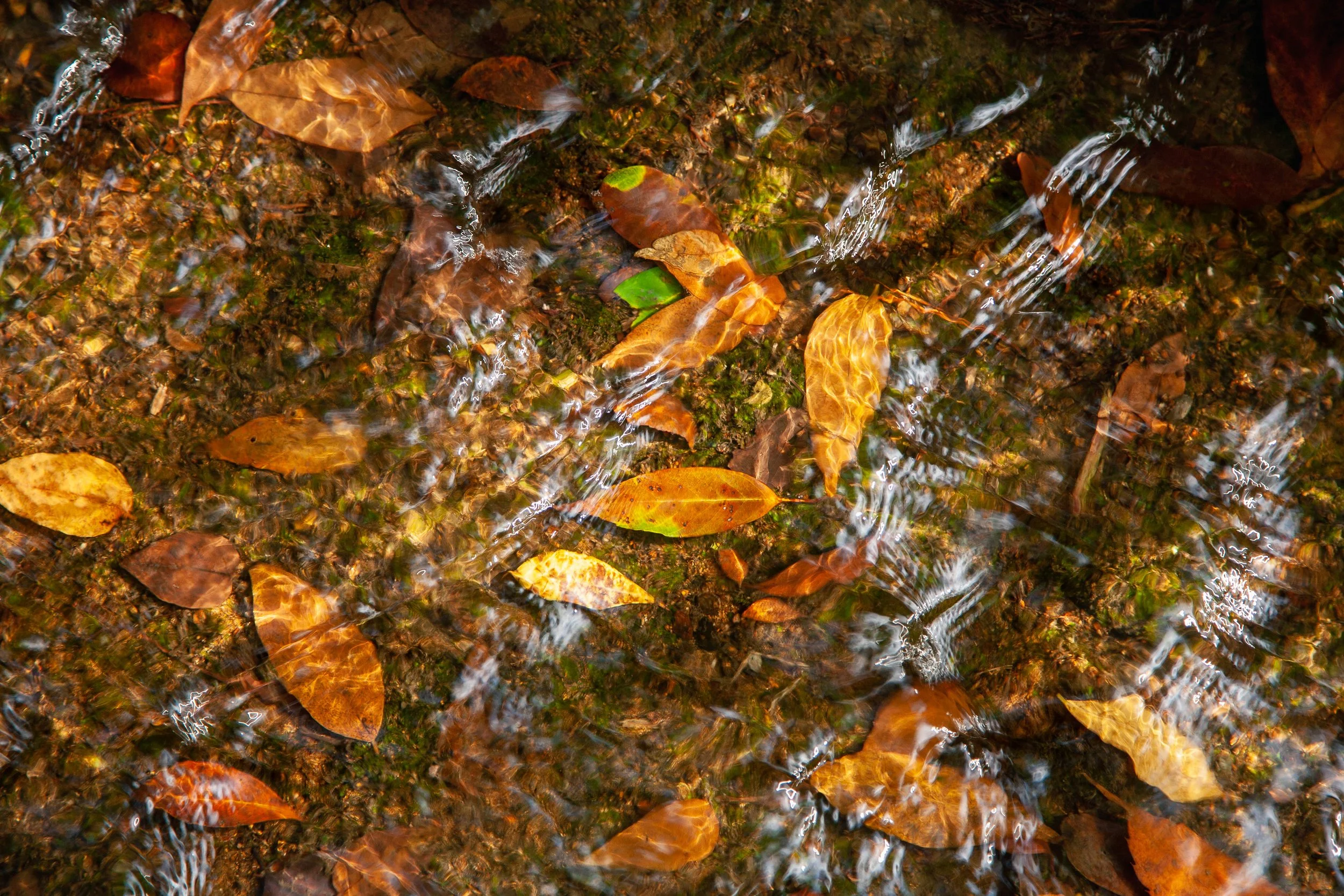
Natadera Temple, Ishikawa Prefecture, Chubu. 2007
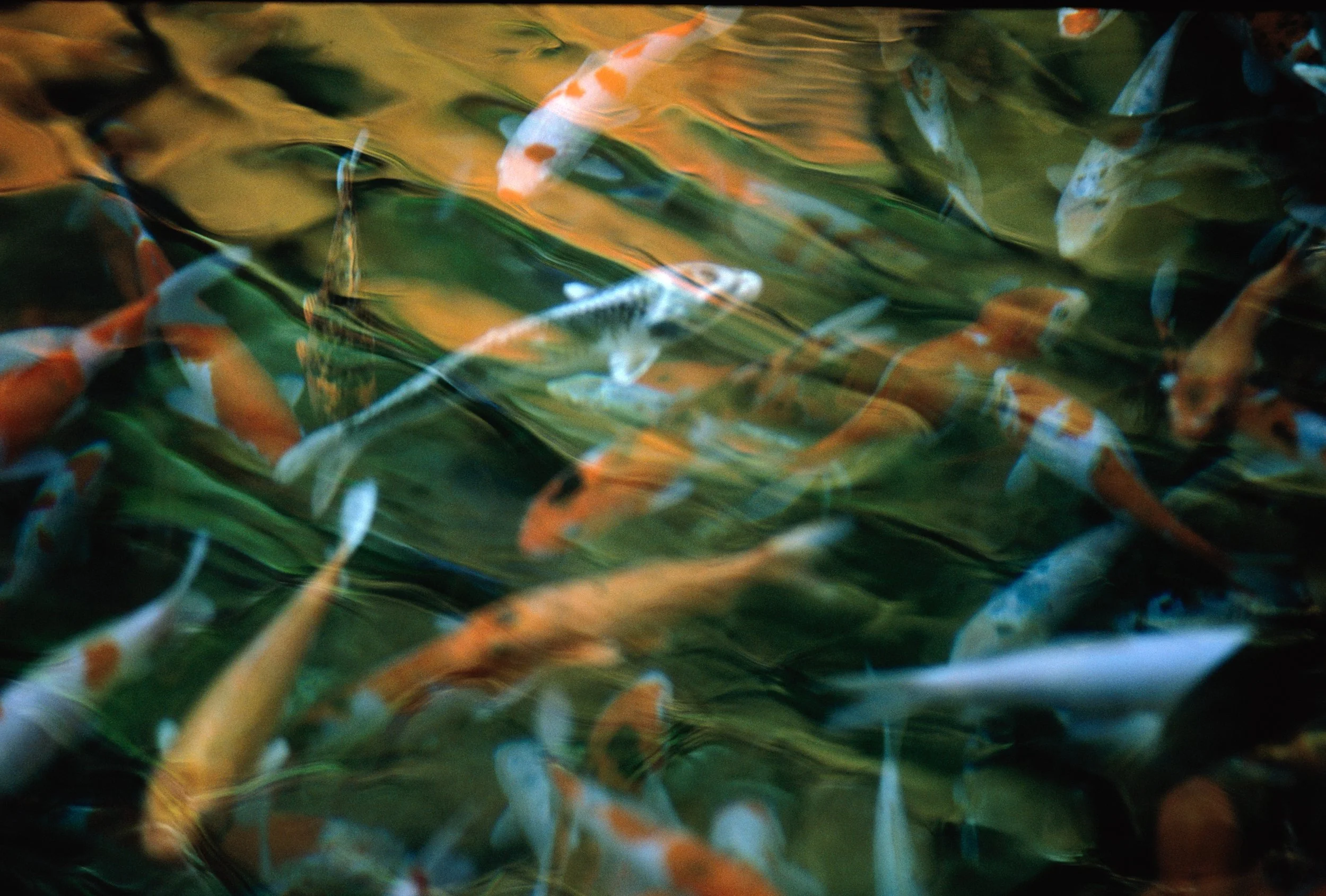
Koi, Sanzen-In Garden, Kyoto. 1991
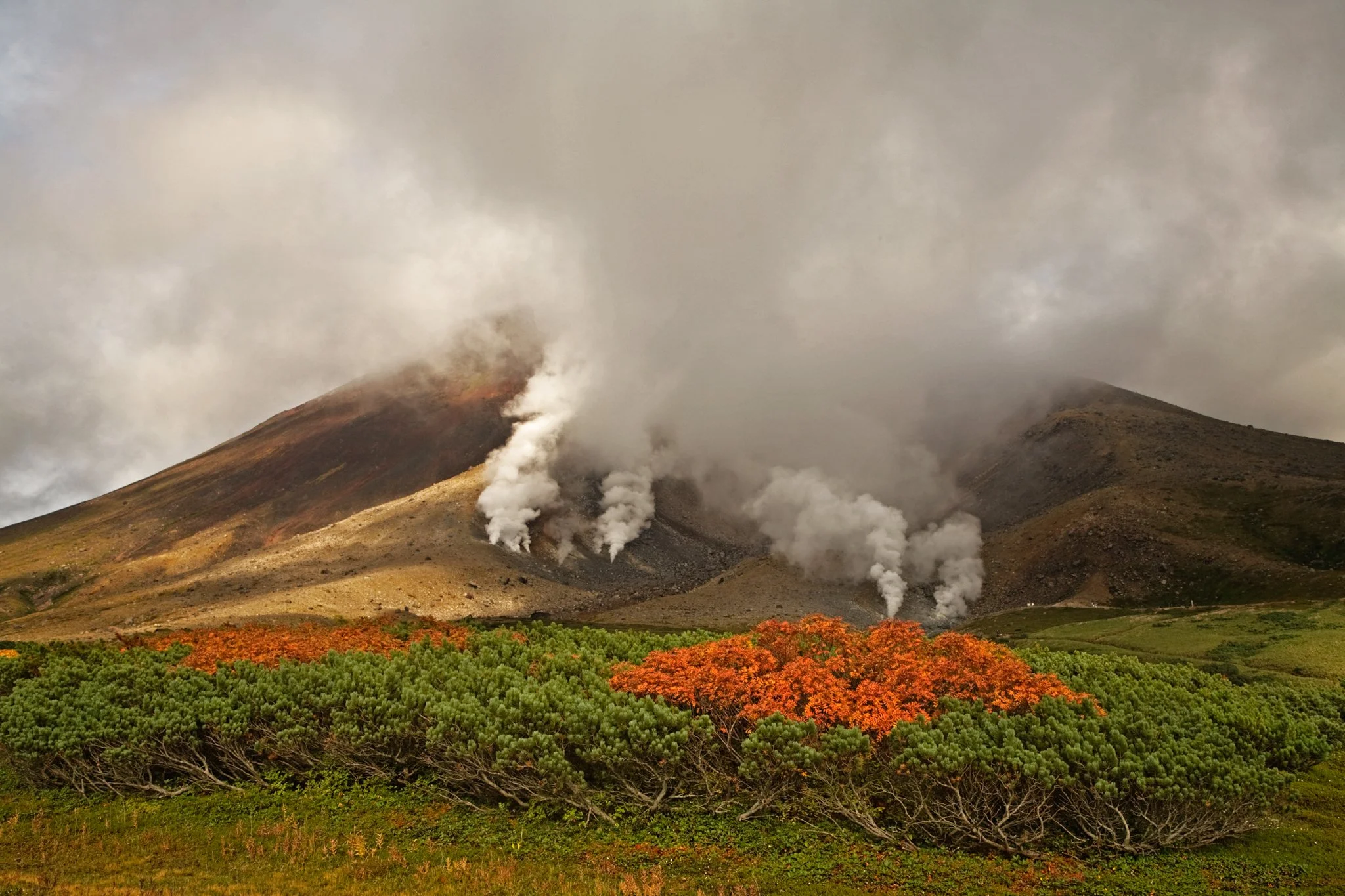
Ashidake Volcano, Daisetsuzan National Park, Hokkaido. 2007
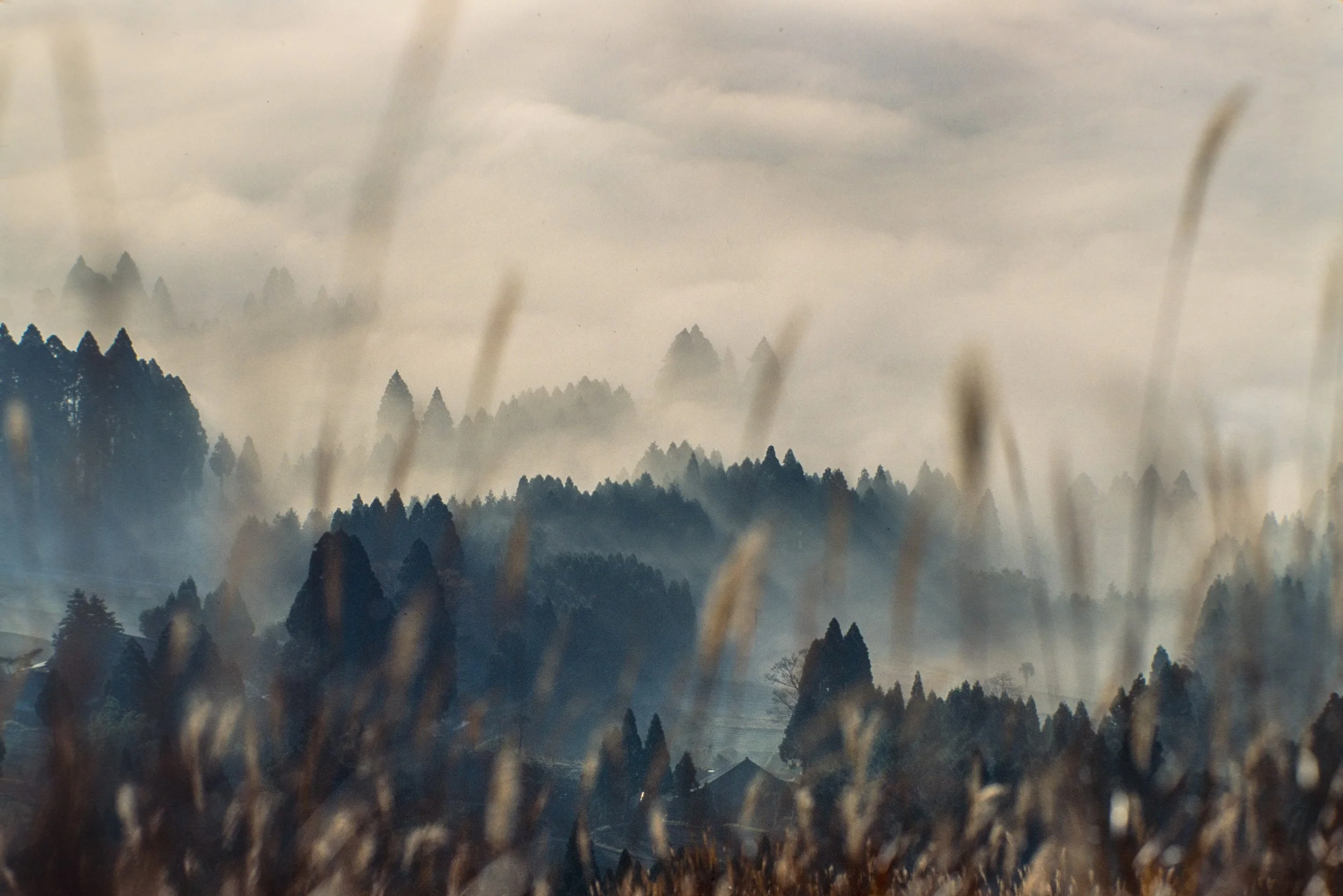
Aso Caldera, Kumamoto Prefecture, Kyushu. 1992
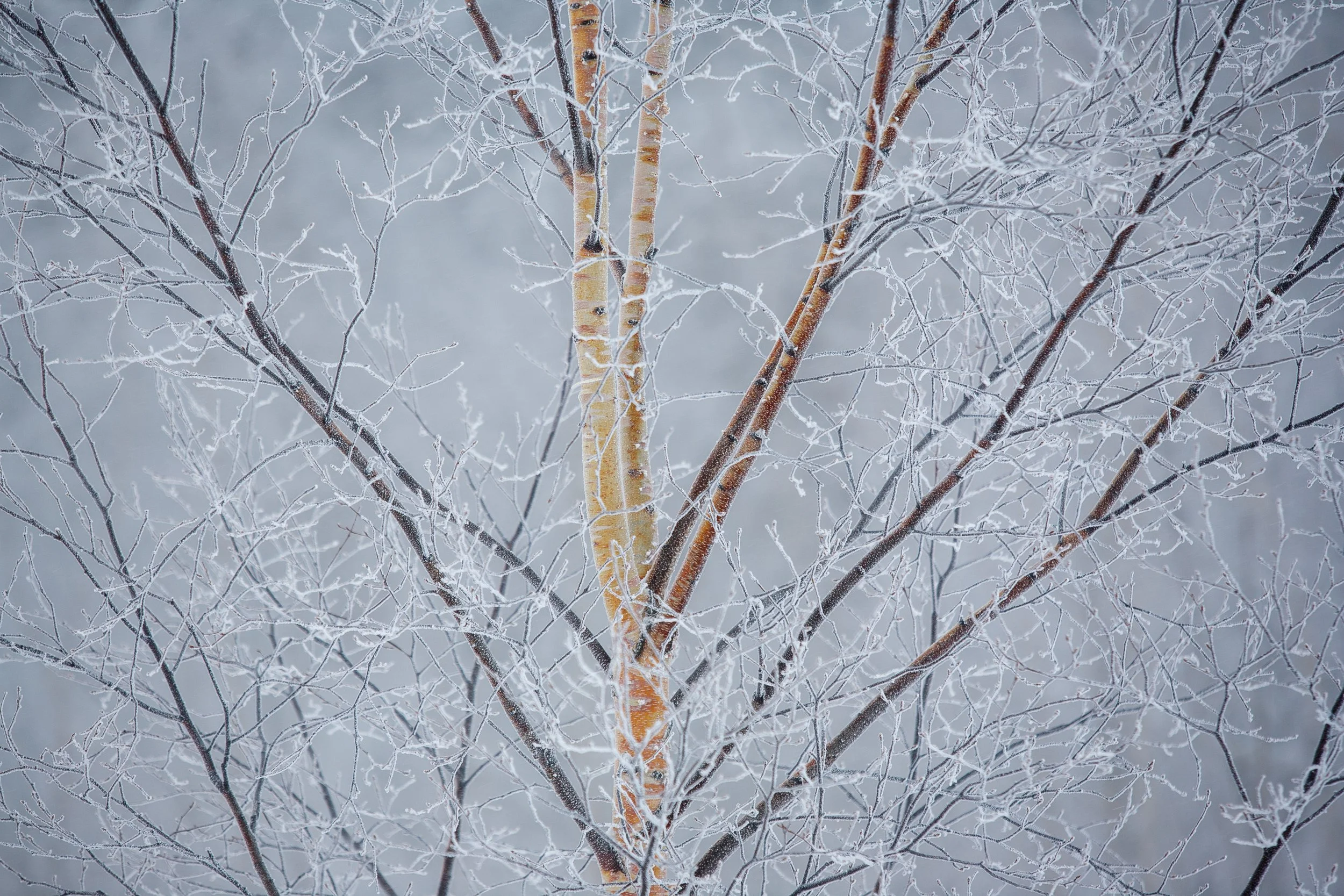
Frozen Birch, Daisetsuzan National Park, Hokkaido. 2007
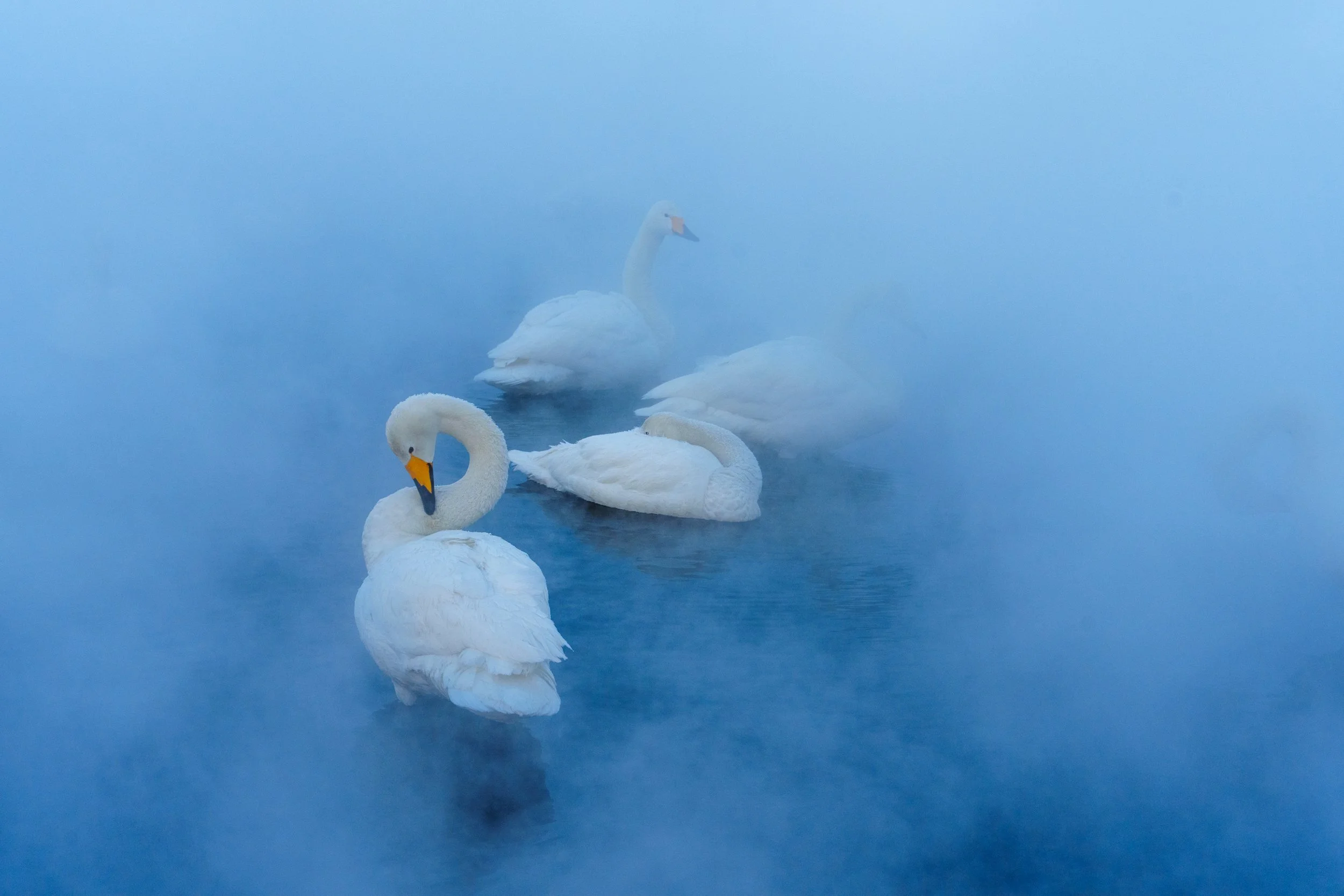
Whooper Swans, Kussharo Lake, Hokkaido. 2023
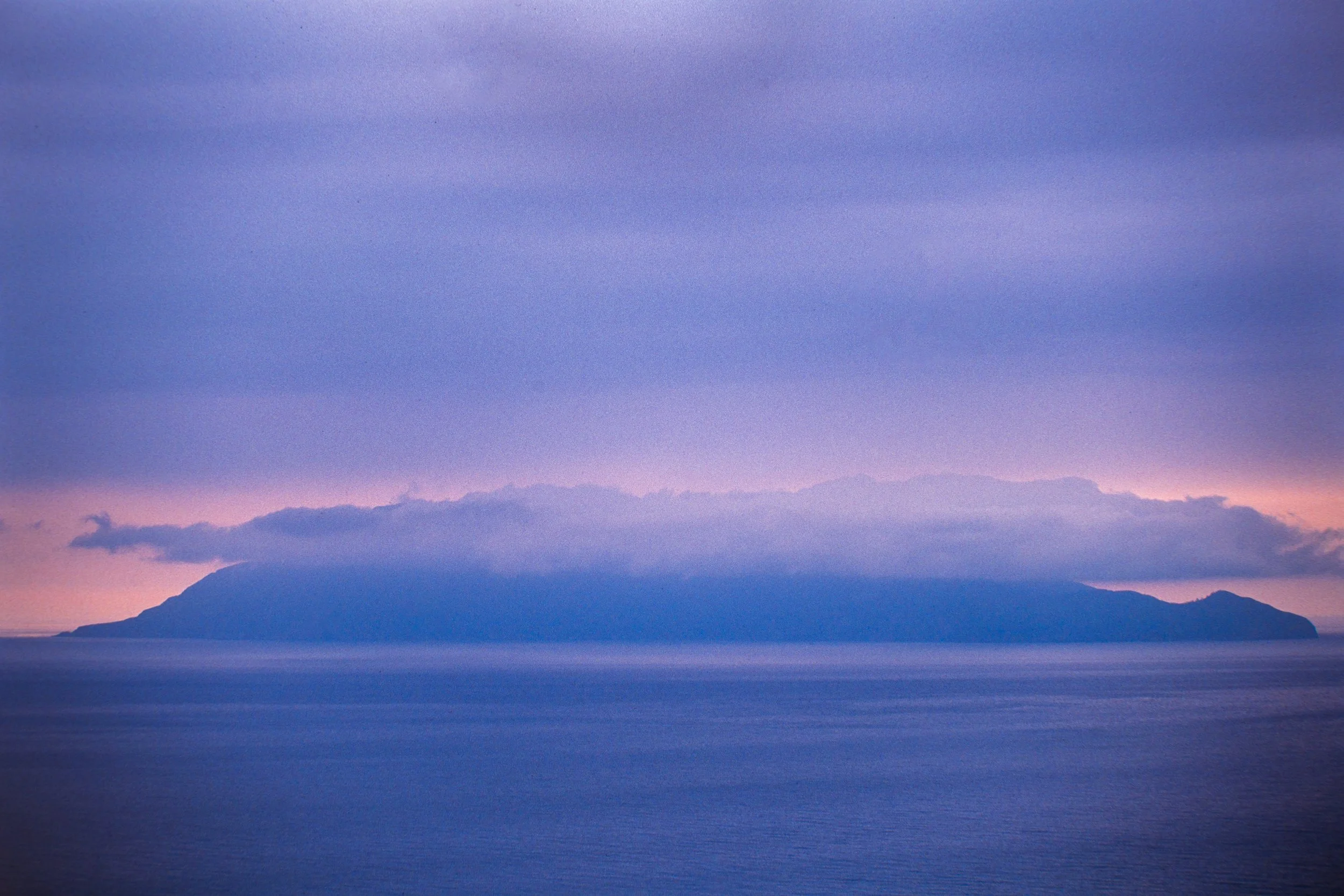
Yakushima Island, Kagoshima Prefecture, Kyushu. 1993
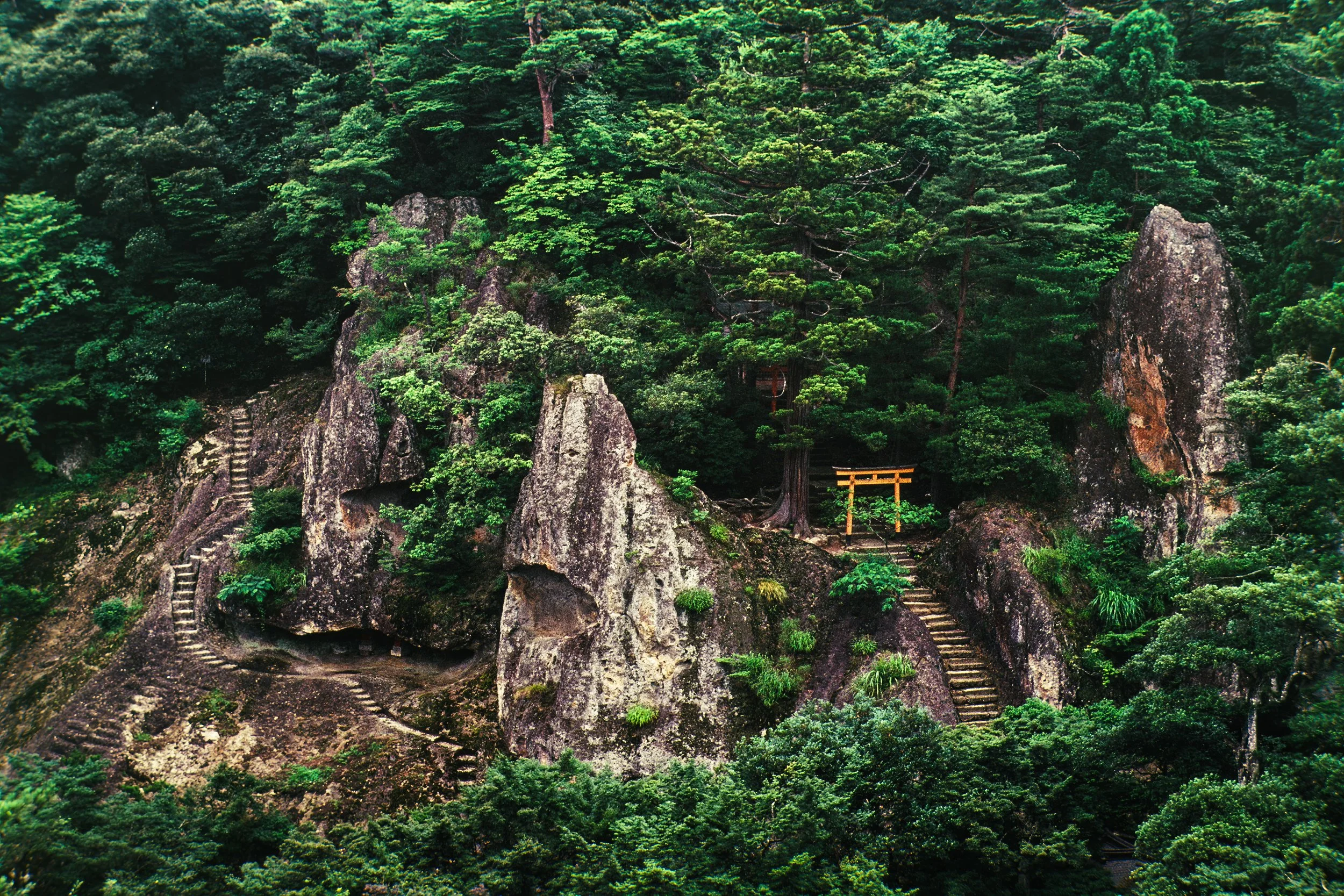
Natadera Temple, Ishikawa Prefecture, Chubu. 1978
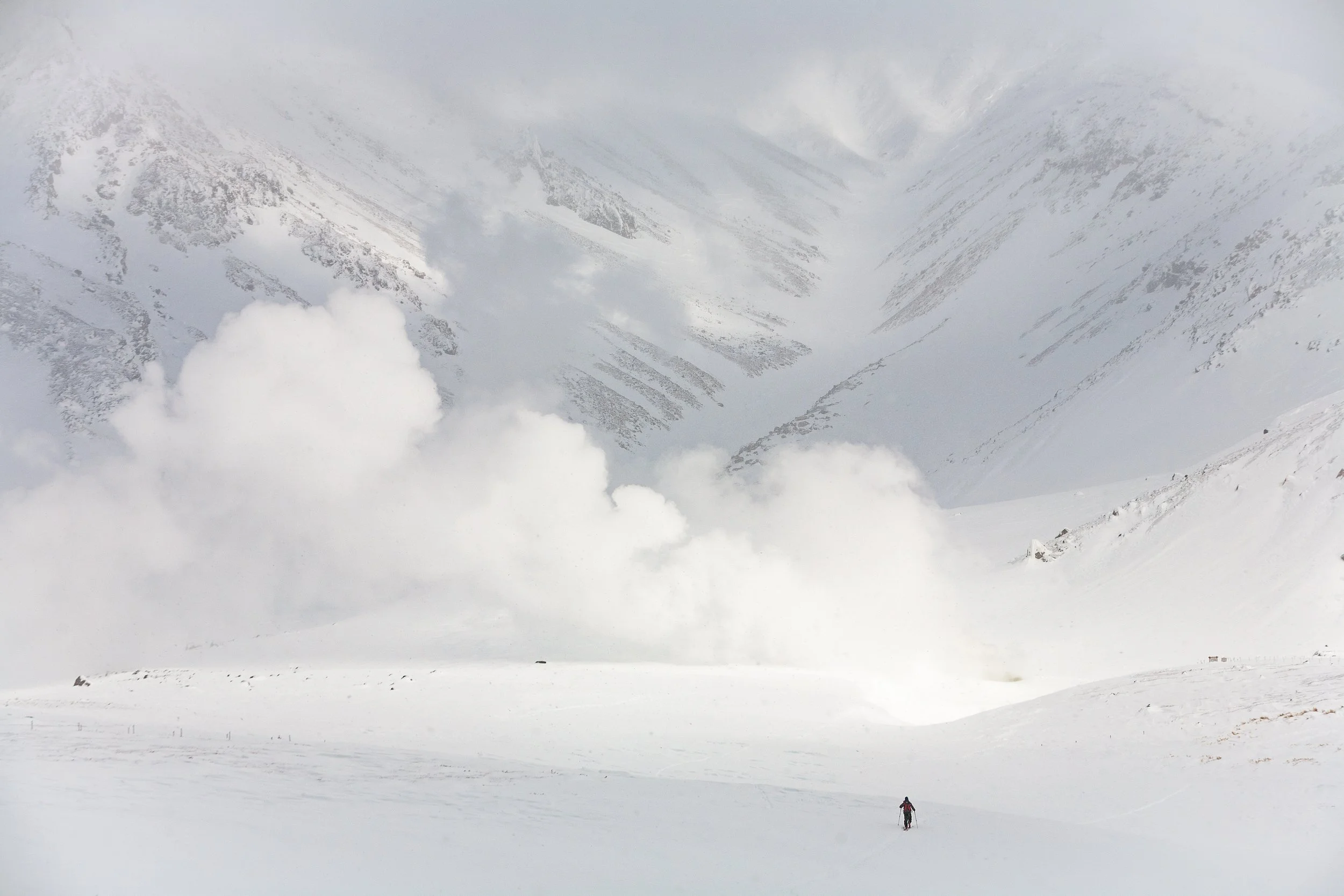
Asahidake Volcano, Daisetsuzan National Park, Hokkaido. 2007
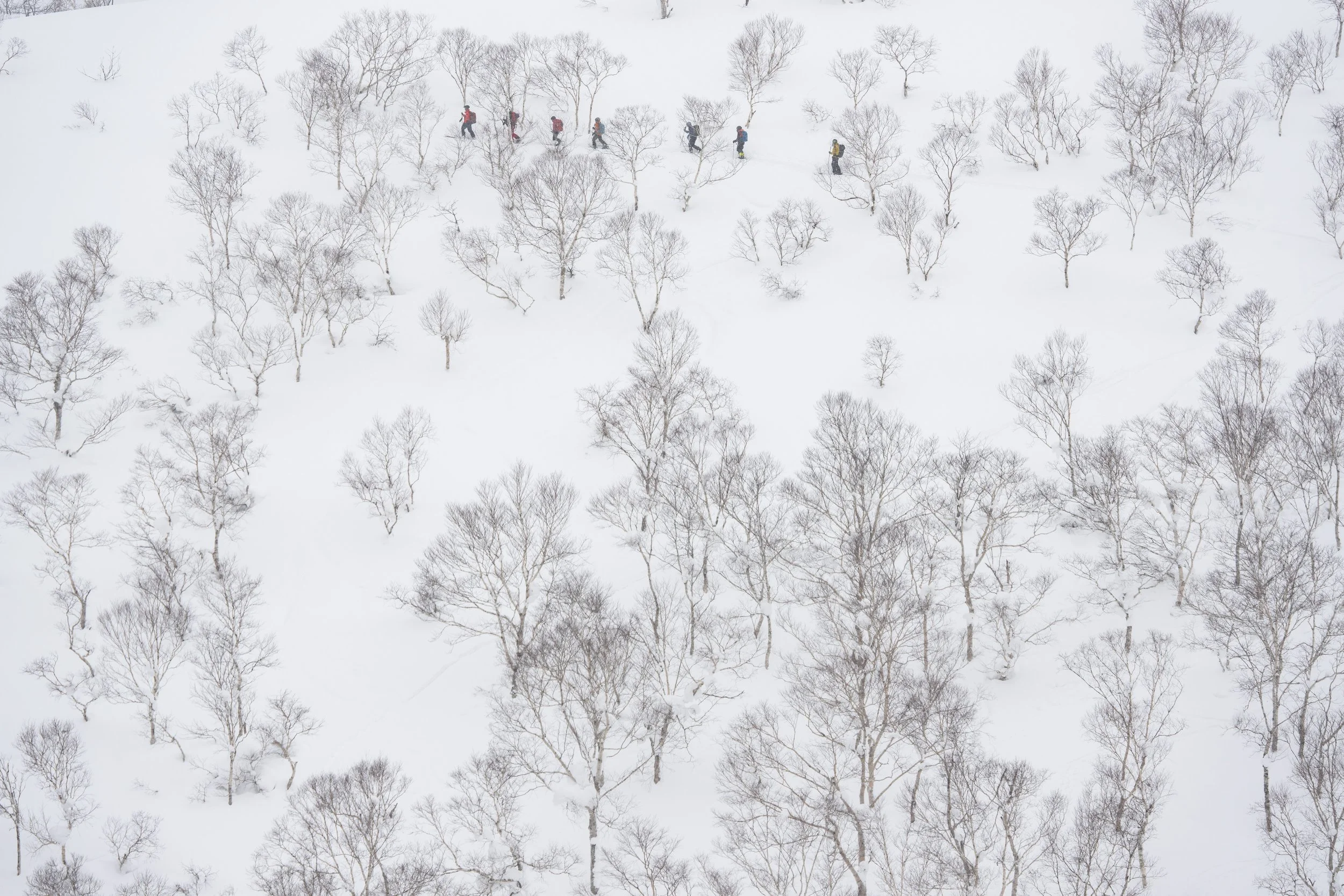
Snowshoe Trekkers, Niseko, Hokkaido. 2023
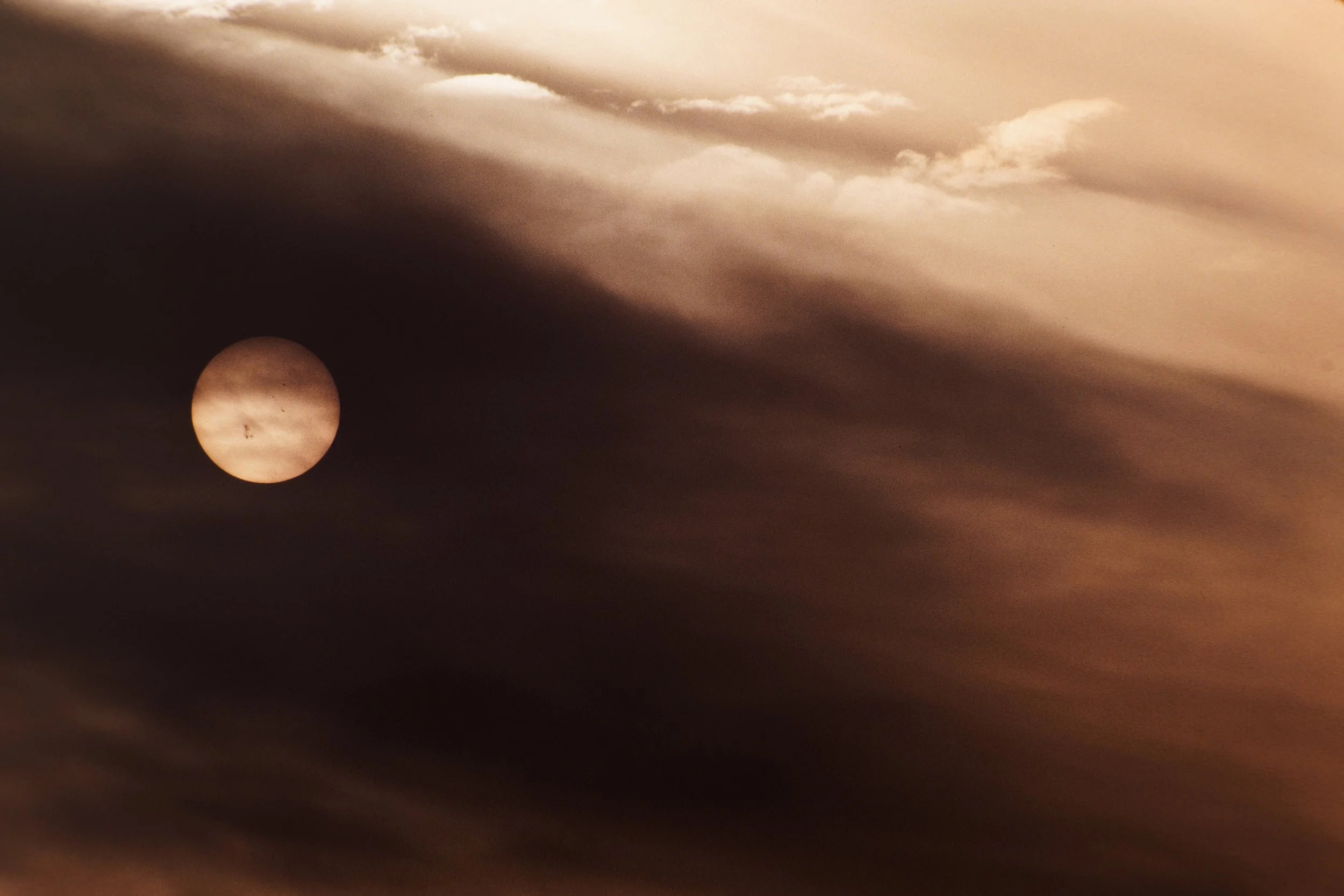
Full Moon, Matasushima, Miyagi Prefecture, Tohoku. 1978
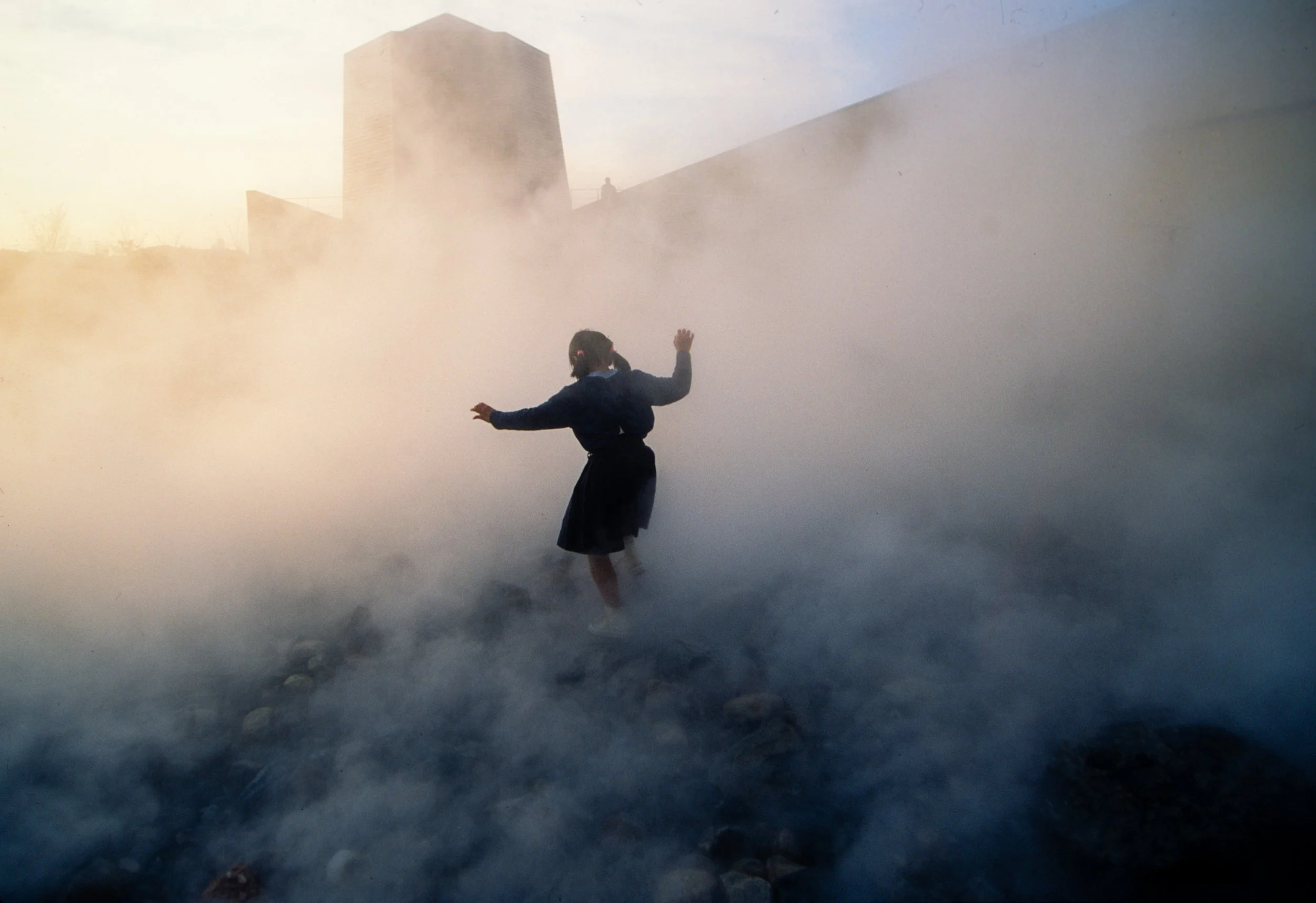
Nakaya Fog Garden, Kaga, Ishikawa Prefecture, Chubu. 1994
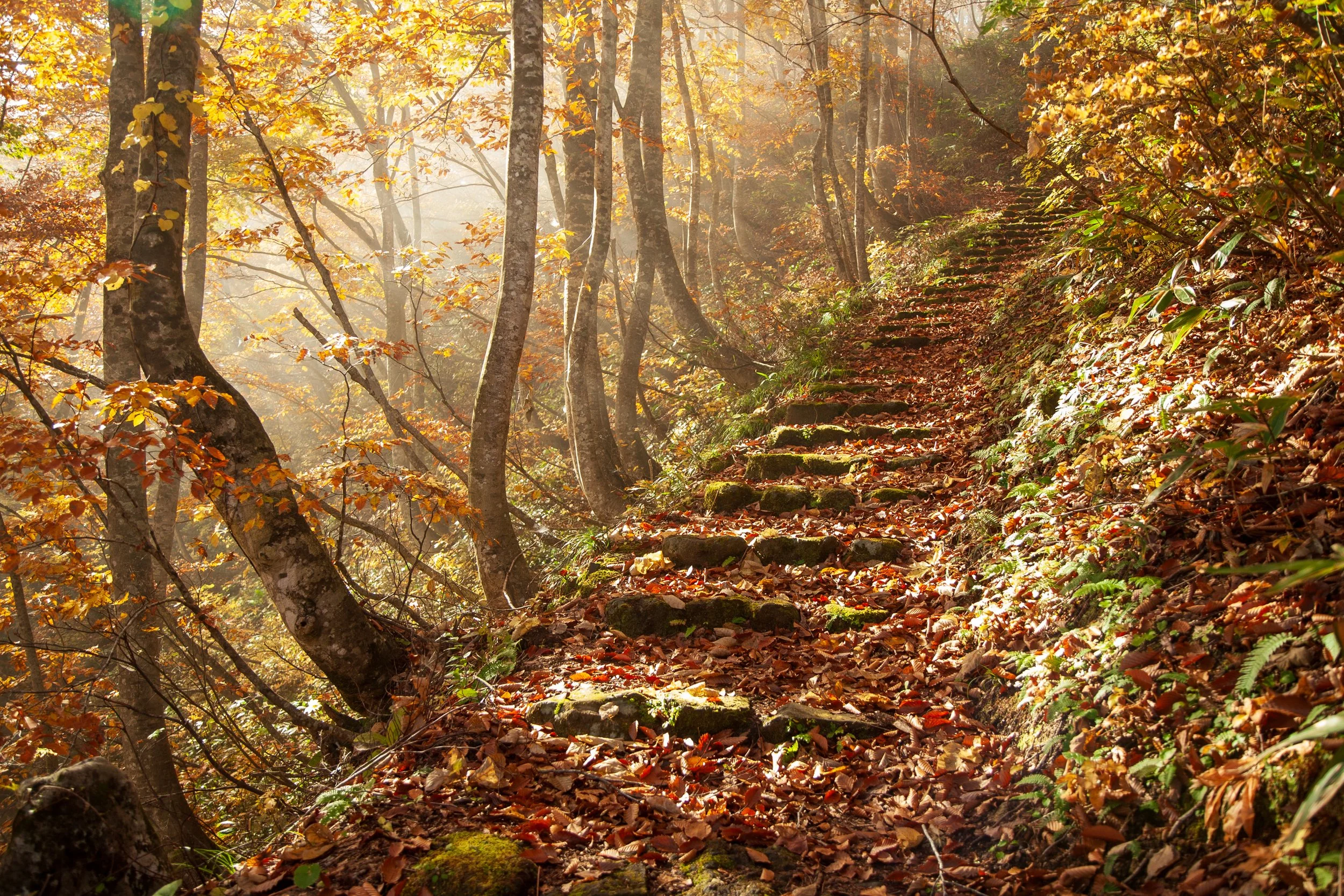
Natagiri Pass, Yamagata Prefecture, Tohoku. 2006
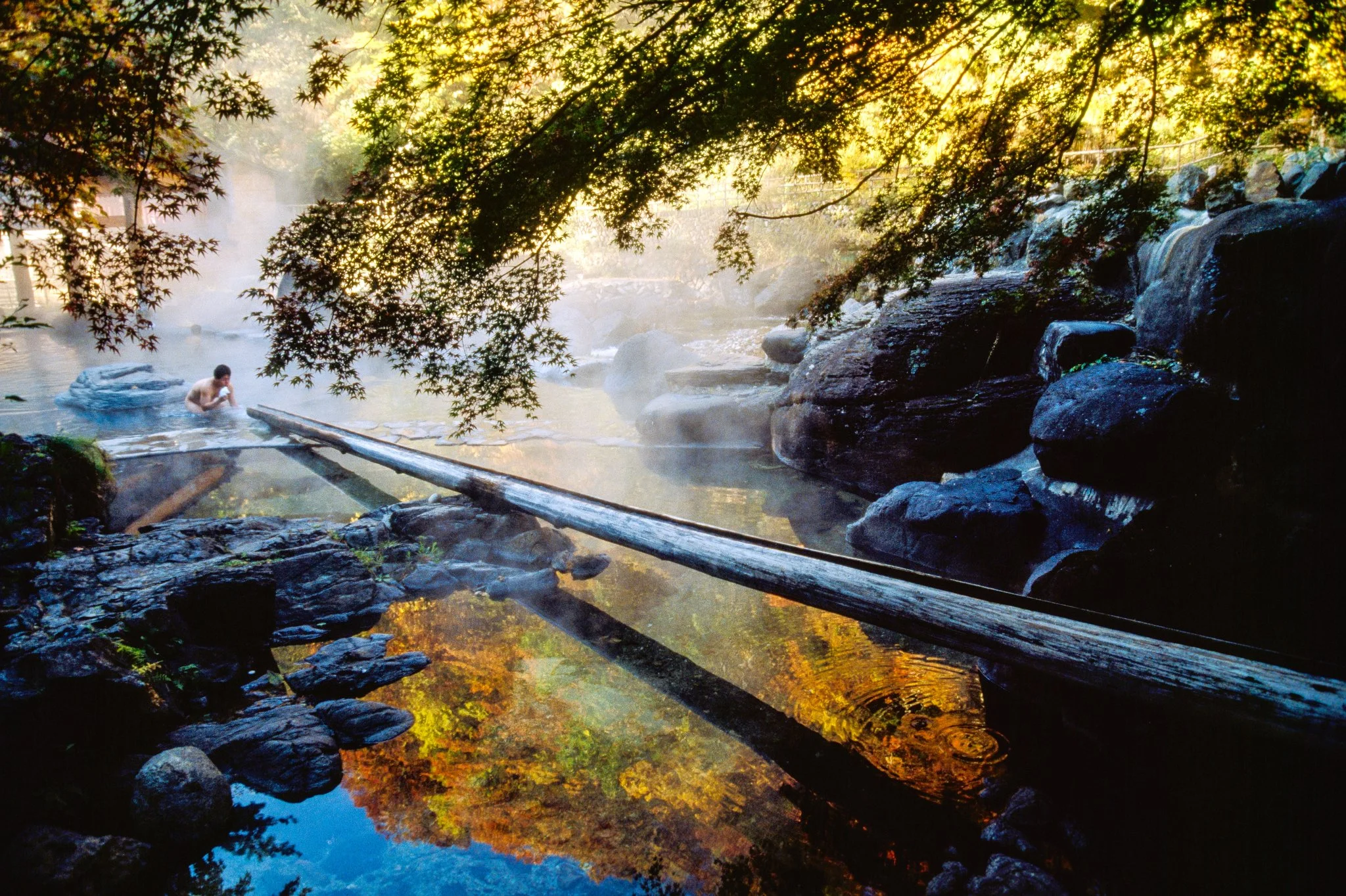
Takaragawa Hotspring, Gumma Prefecture, Kanto. 1988
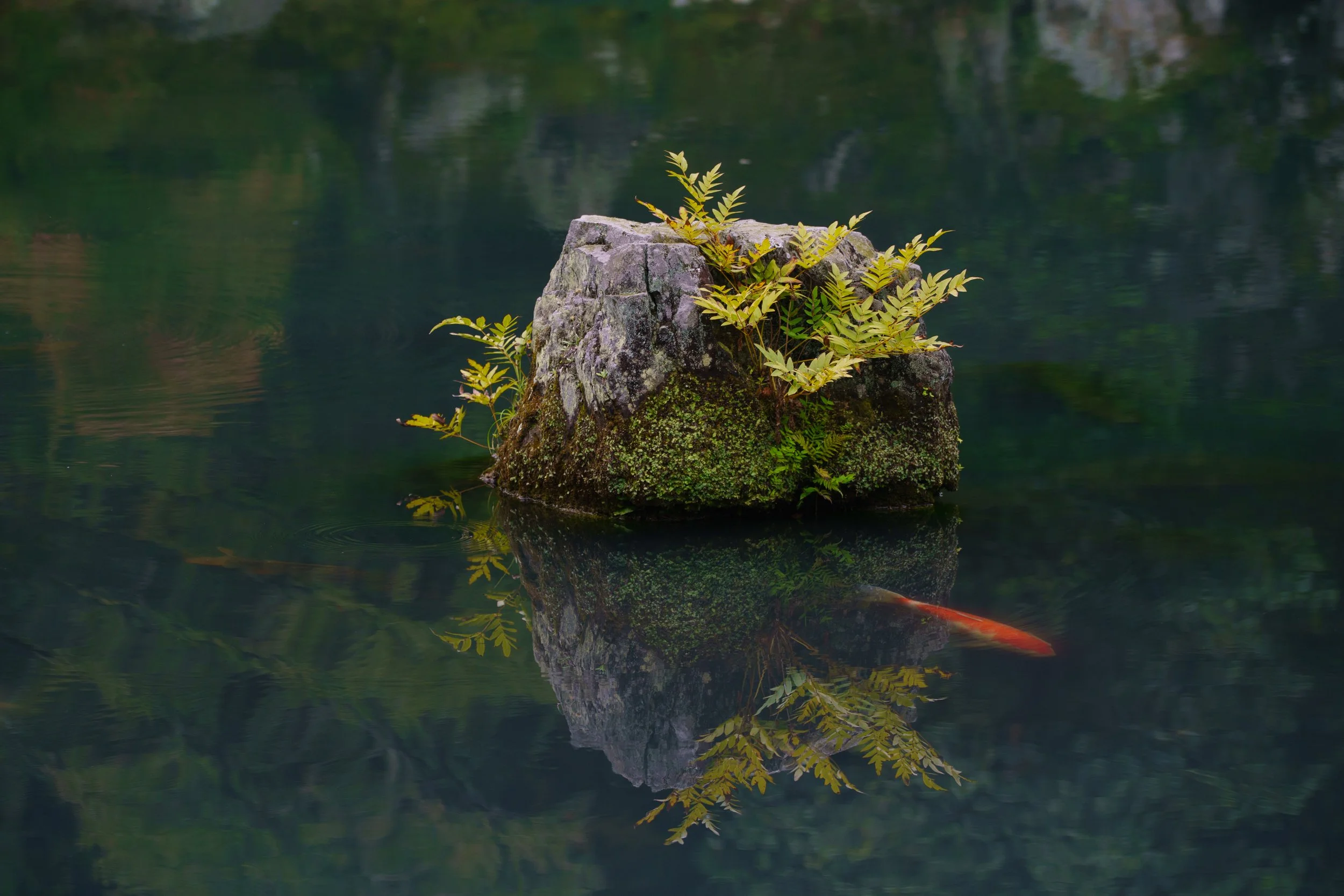
Tenryuji Garden, Kyoto. 2017
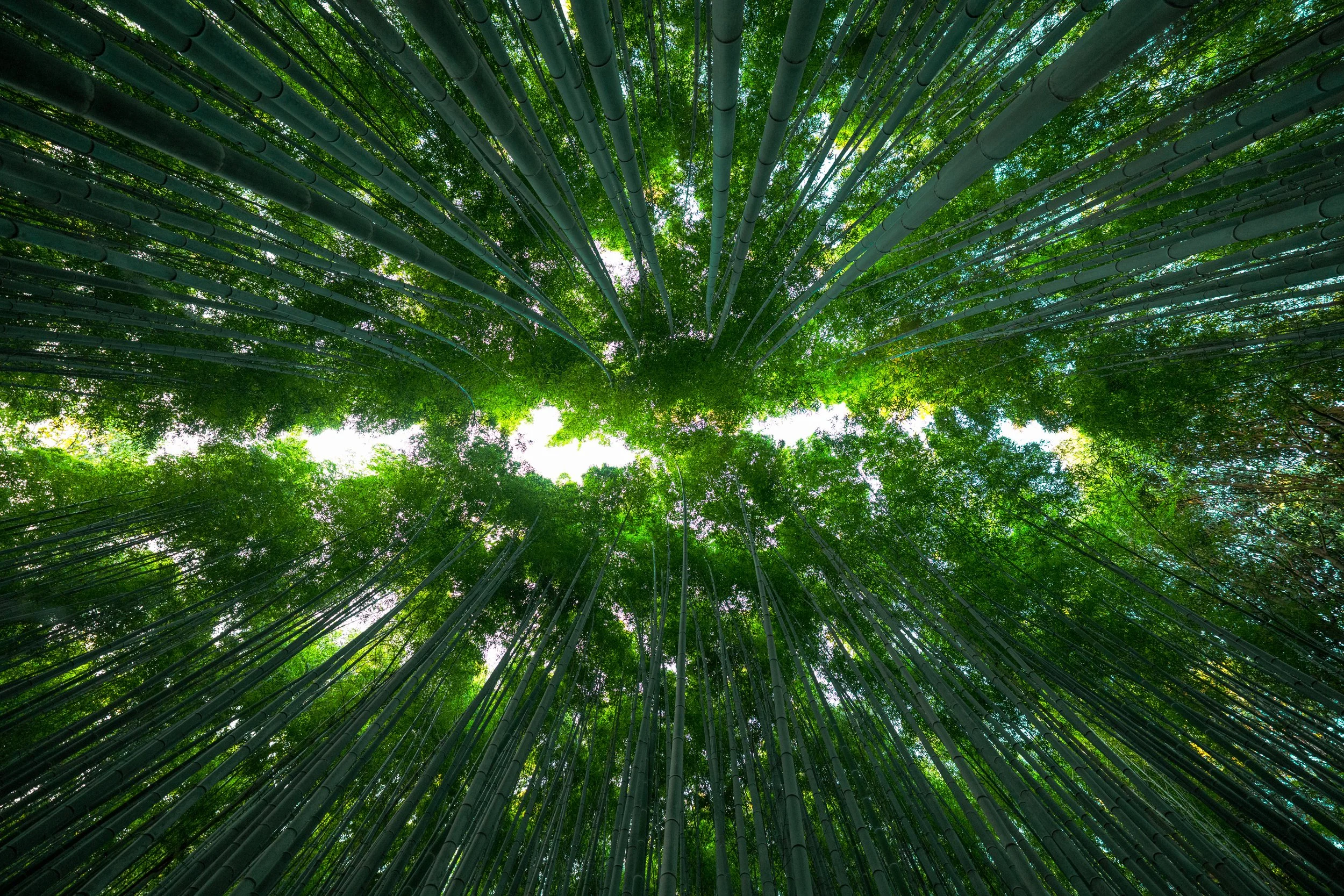
Arashiyama Bamboo Forest, Kyoto, Kansai. 2003
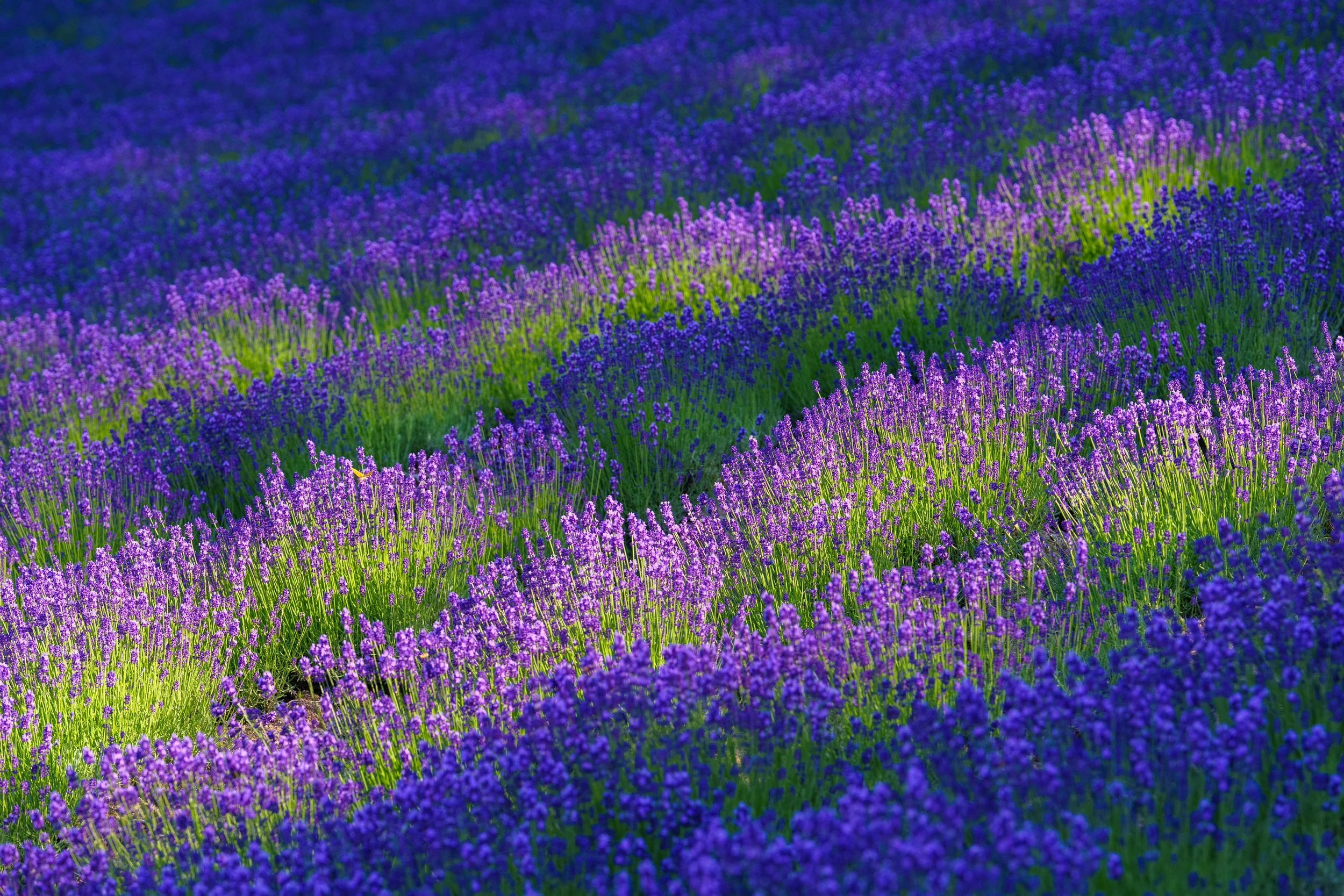
Tomita Lavender Farm, Furano, Hokkaido. 2023
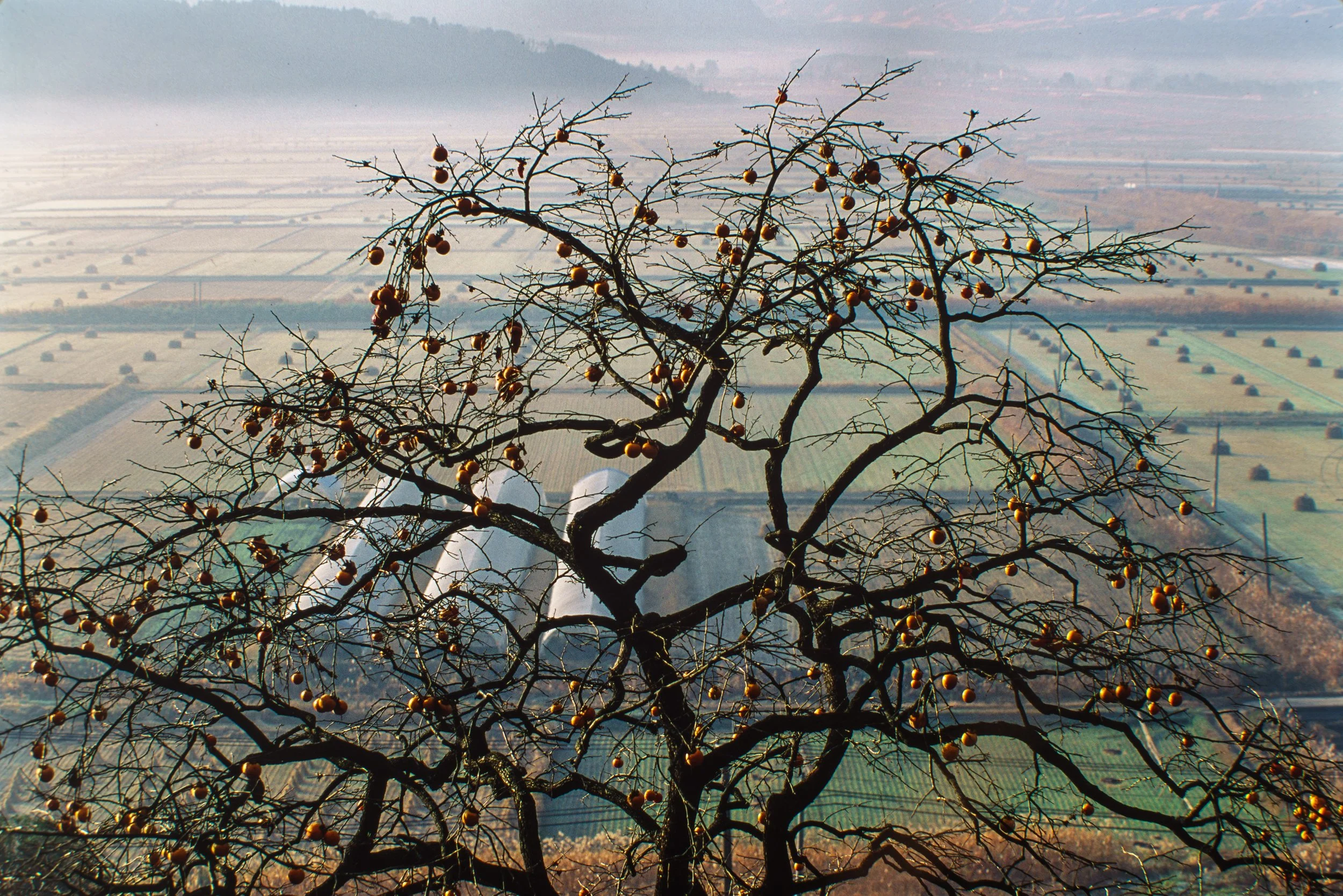
Persimmon Tree, Aso Caldera, Kumamoto, Kyushu. 1992
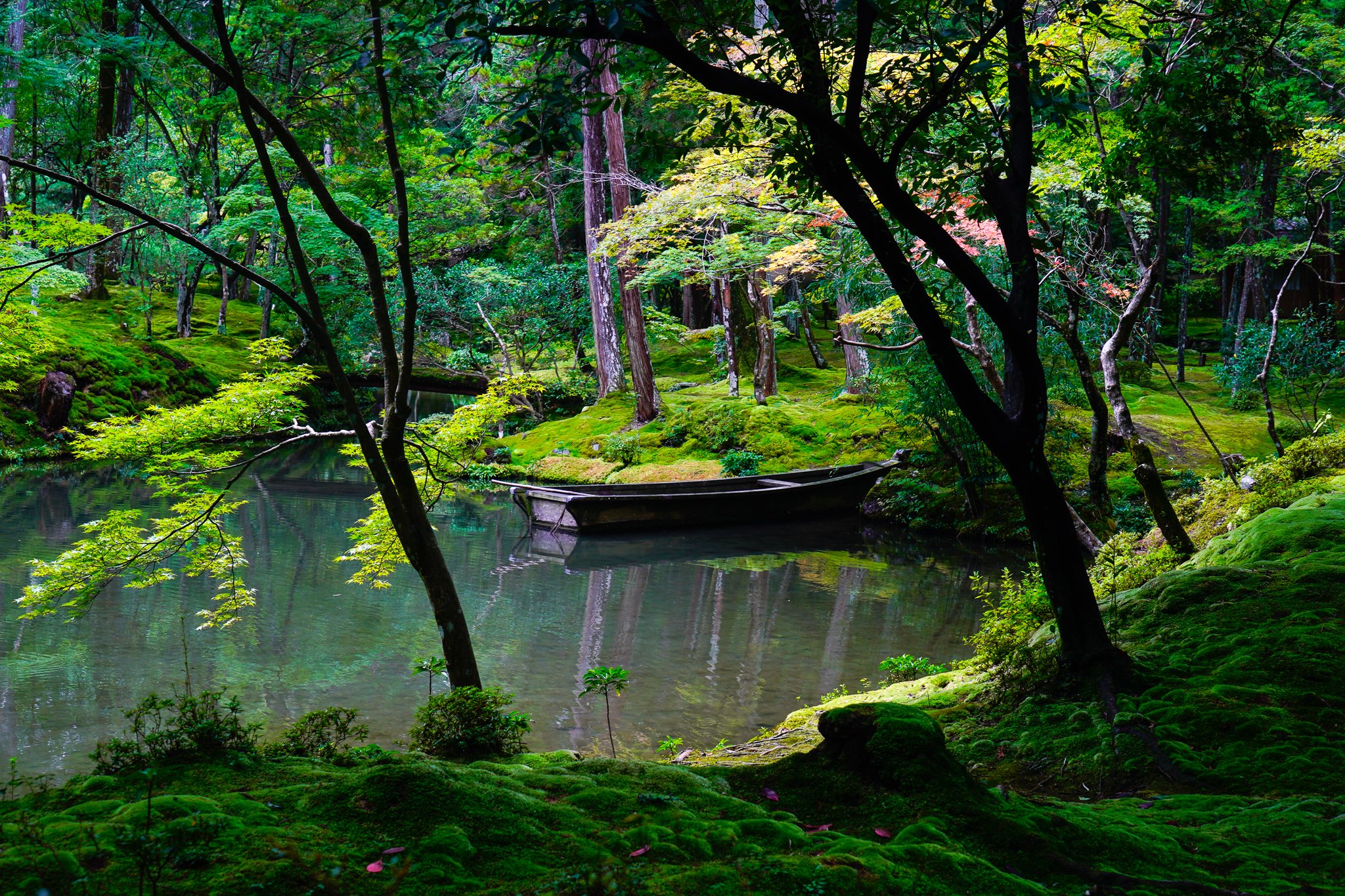
Saho-Ji Moss Garden, Kyoto. 2017
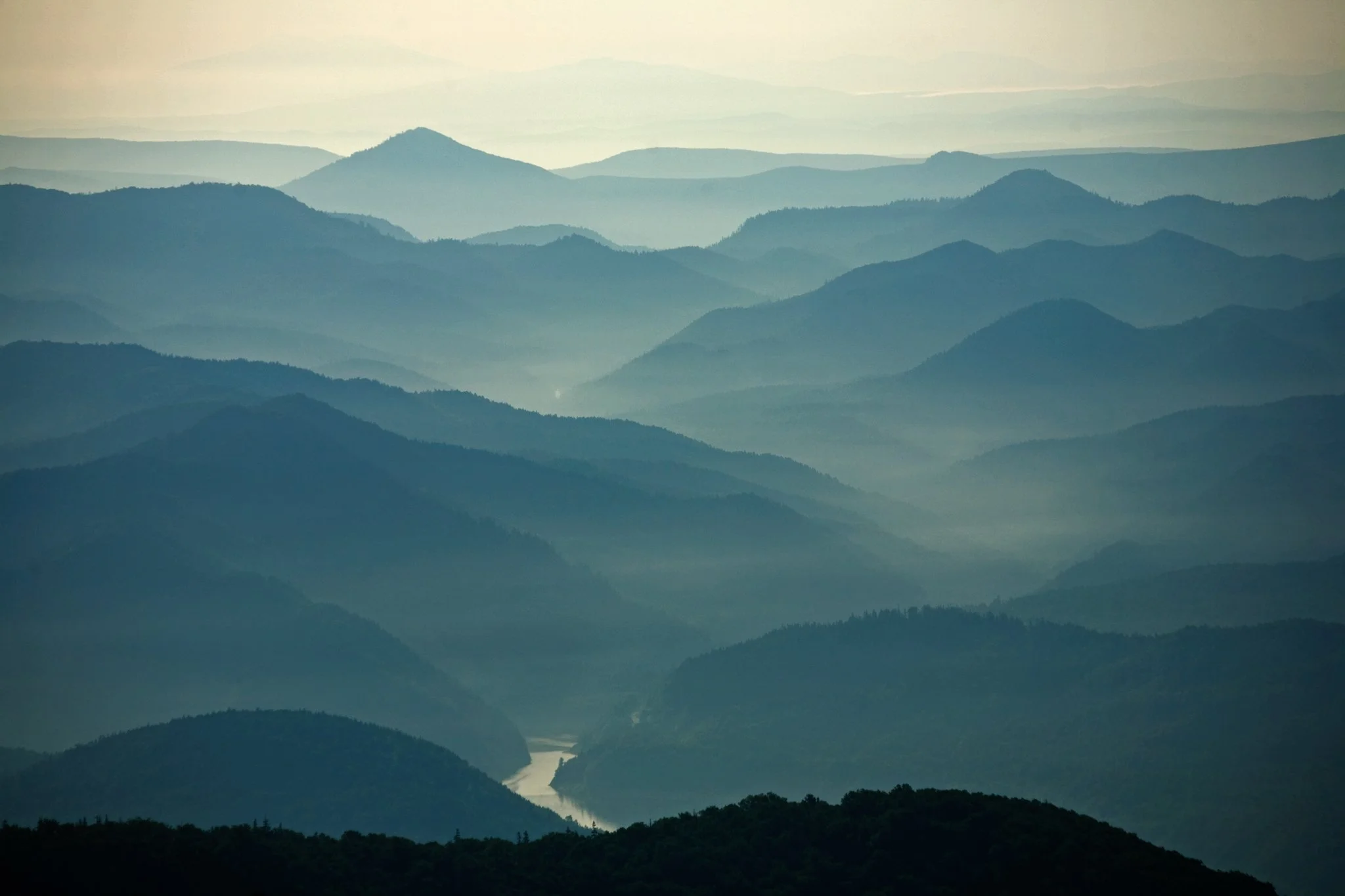
Daisetsuzan National Park, Hokkaido. 2007
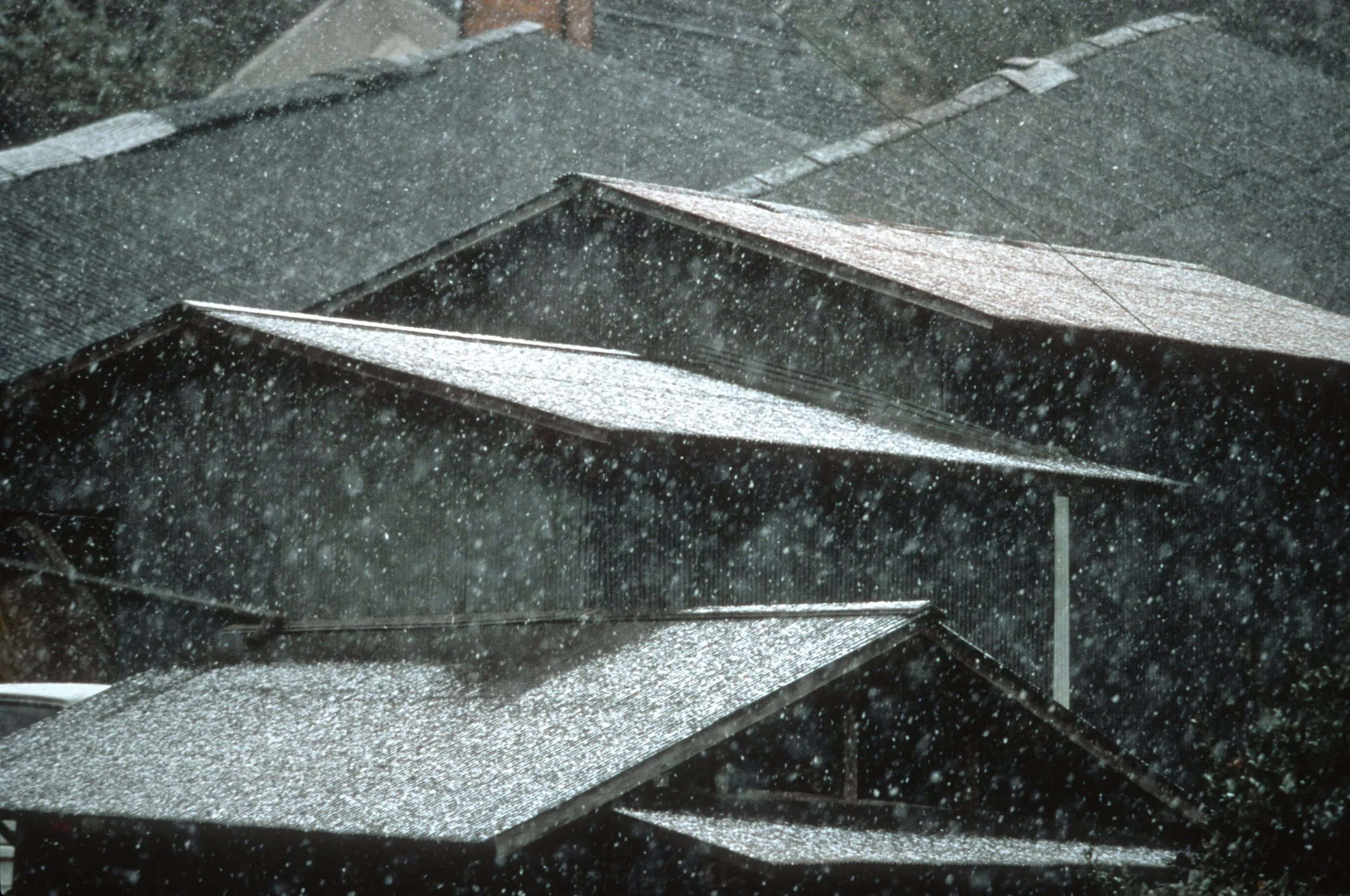
Oito, Oita Prefecture, Kyushu. 1992
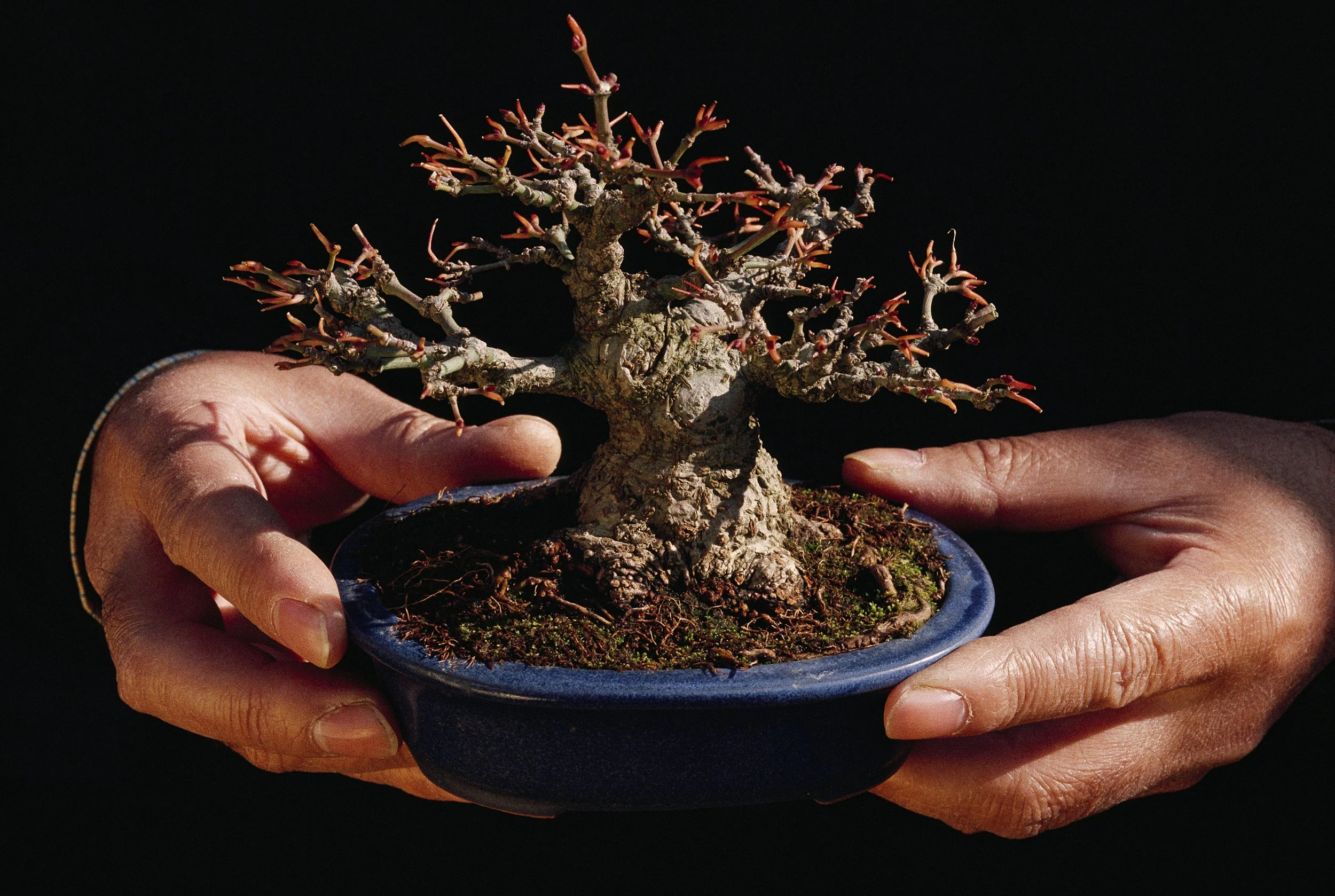
Hundred-Year Cherry Bonsai, Sabura Kato Nursey, Omiya, Saitama Prefecture, Kanto. 1988
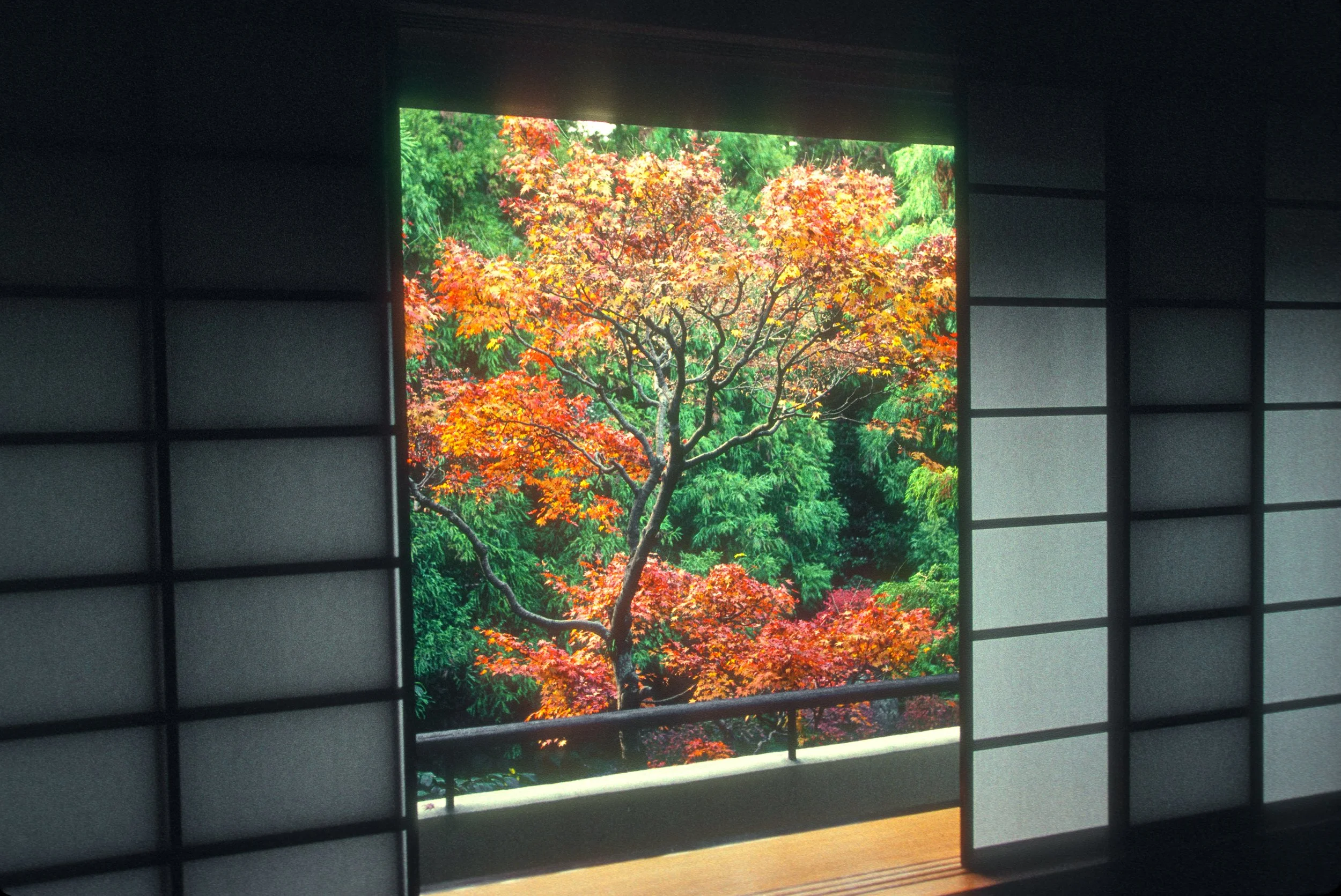
Ureshino Hot Spring Resort, Saga, Kyushu. 1992
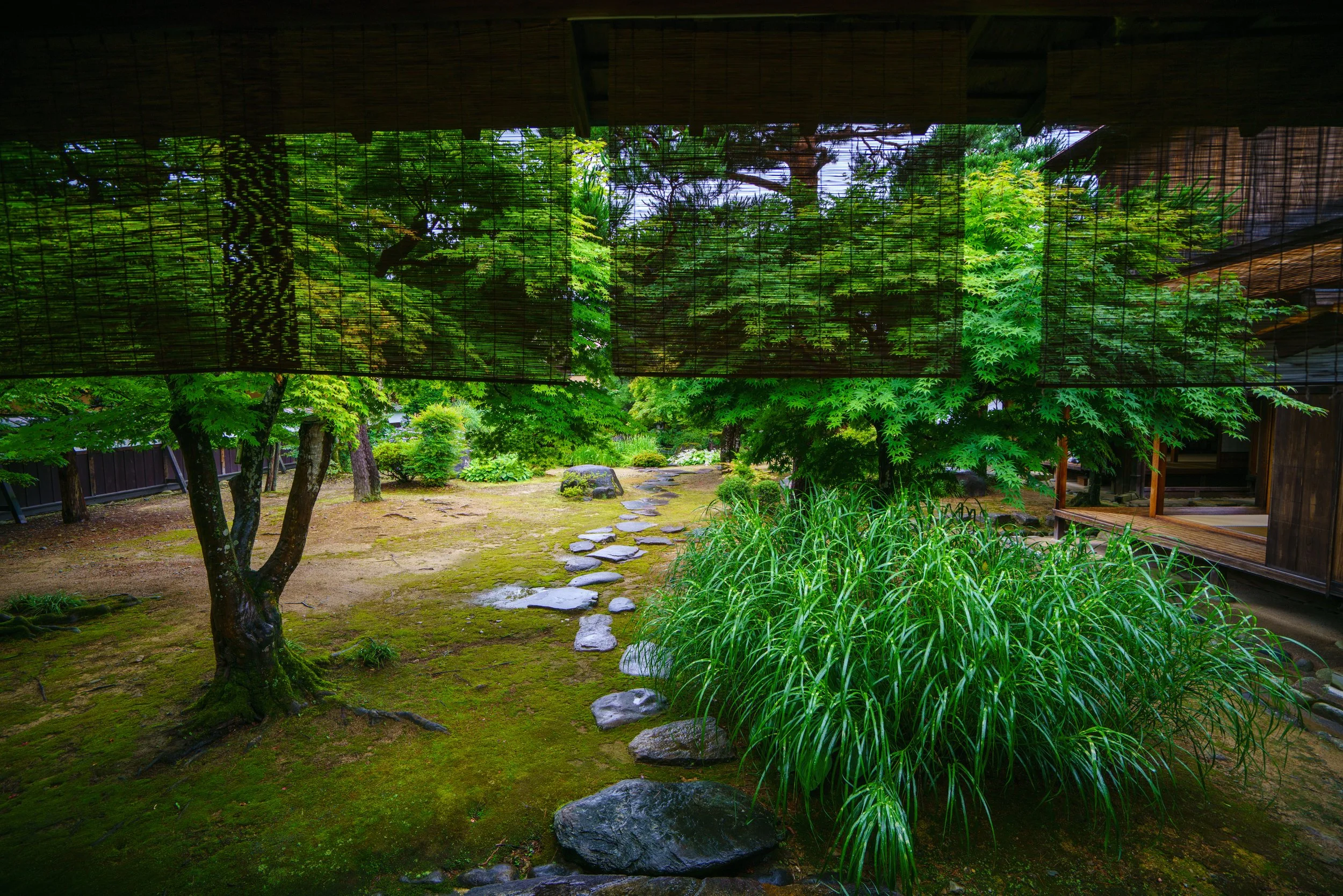
Takayama Jinya Garden, Takayama, Gifu Prefecture, Chubu. 2016
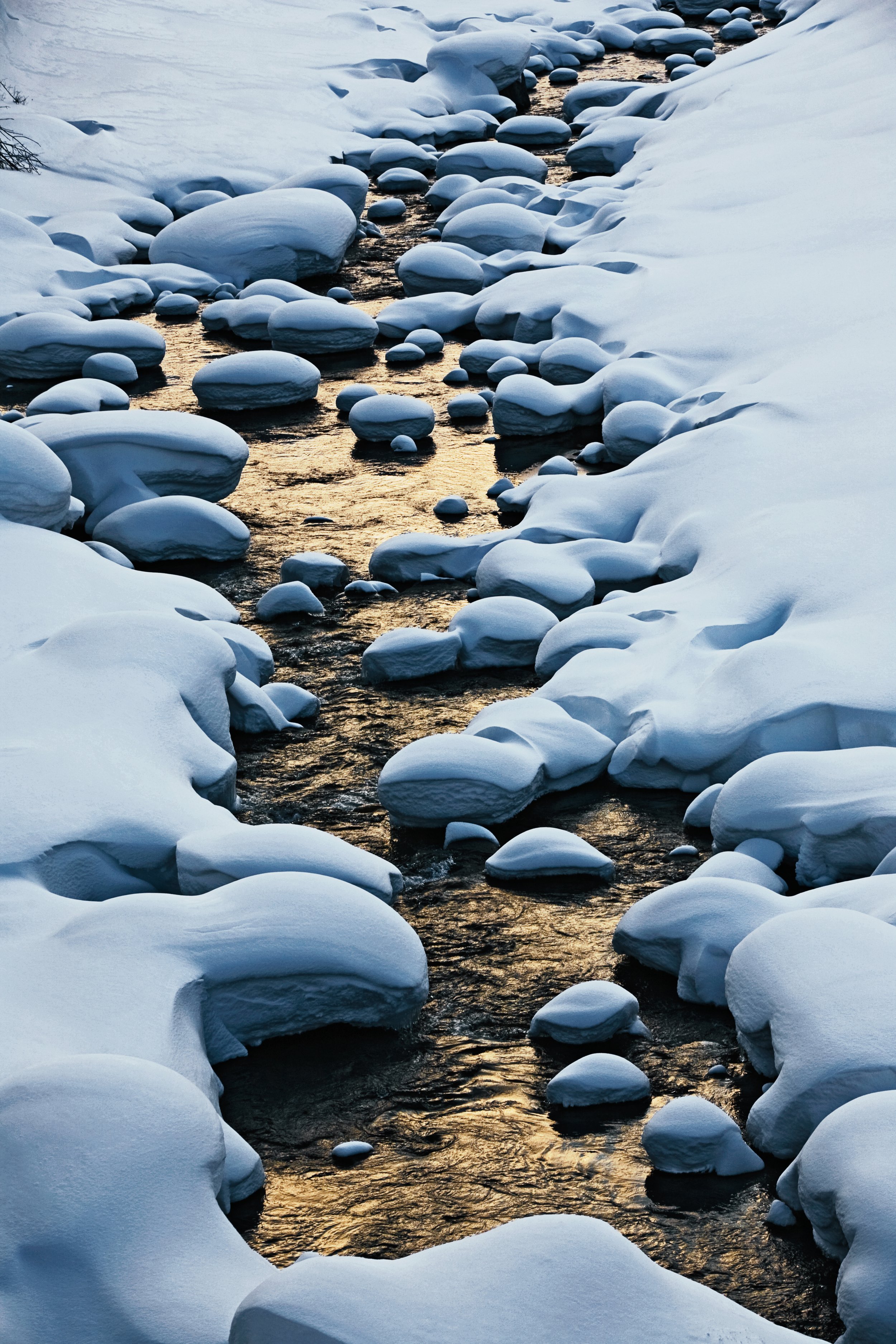
Chubetsu River, Daisetsuzan, Hokkaido. 2007
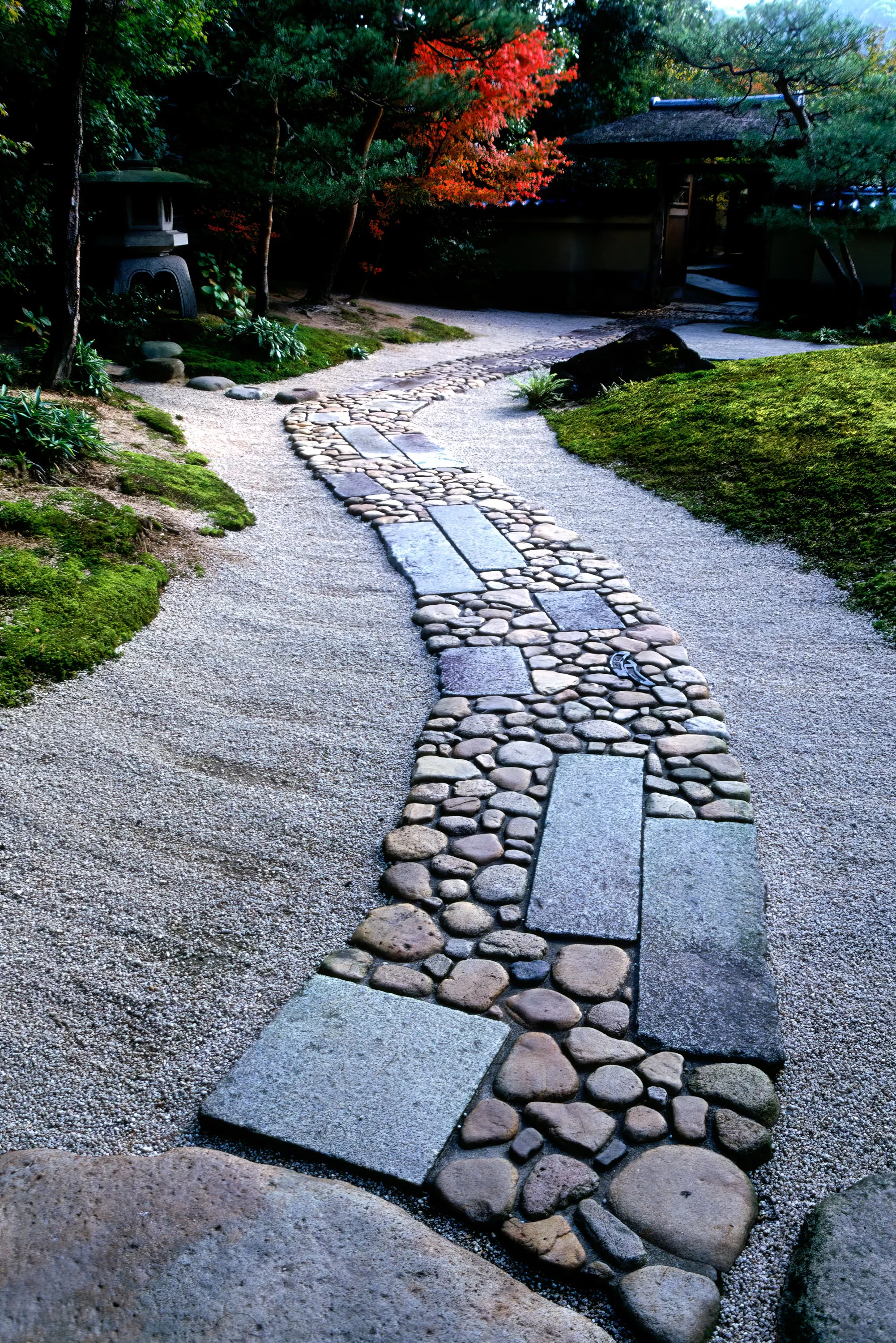
Tea House Pathway, Adachi Museum, Shimane Prefecture, Chugoku. 1988
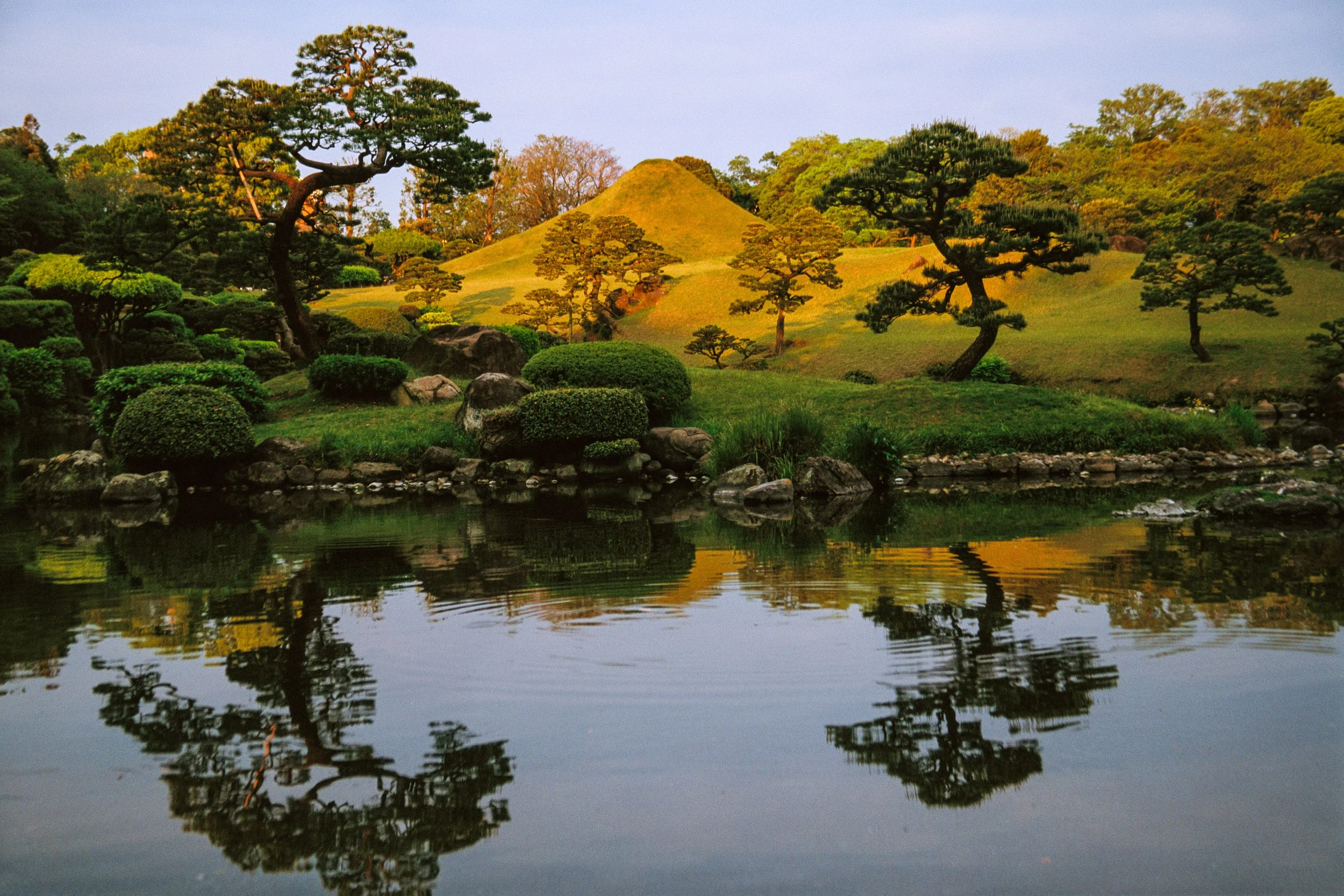
Suizenji Garden, Kumamoto, Kyushu. 2003
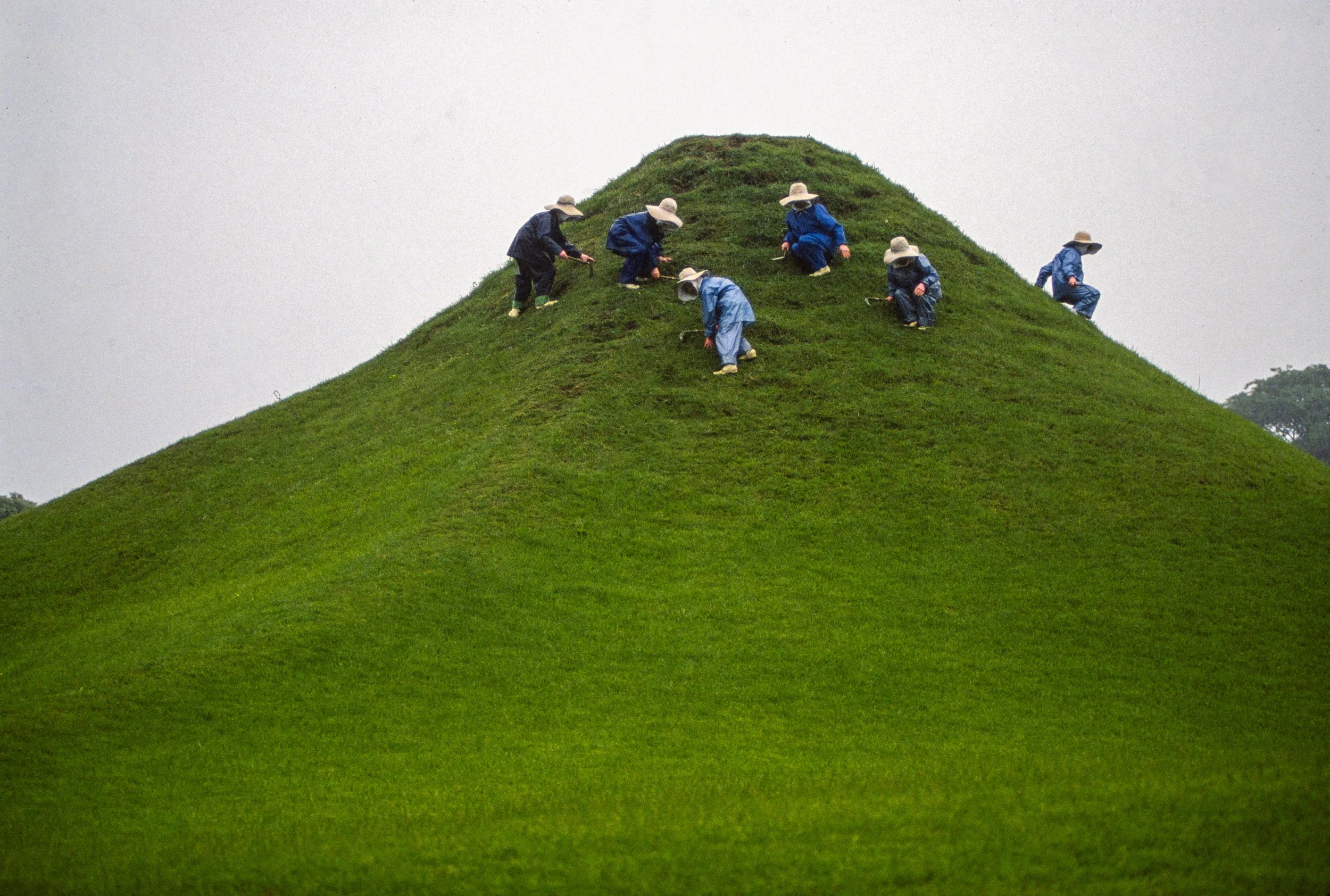
Suizen-Ji Garden, Kumamoto, Kyushu. 1988
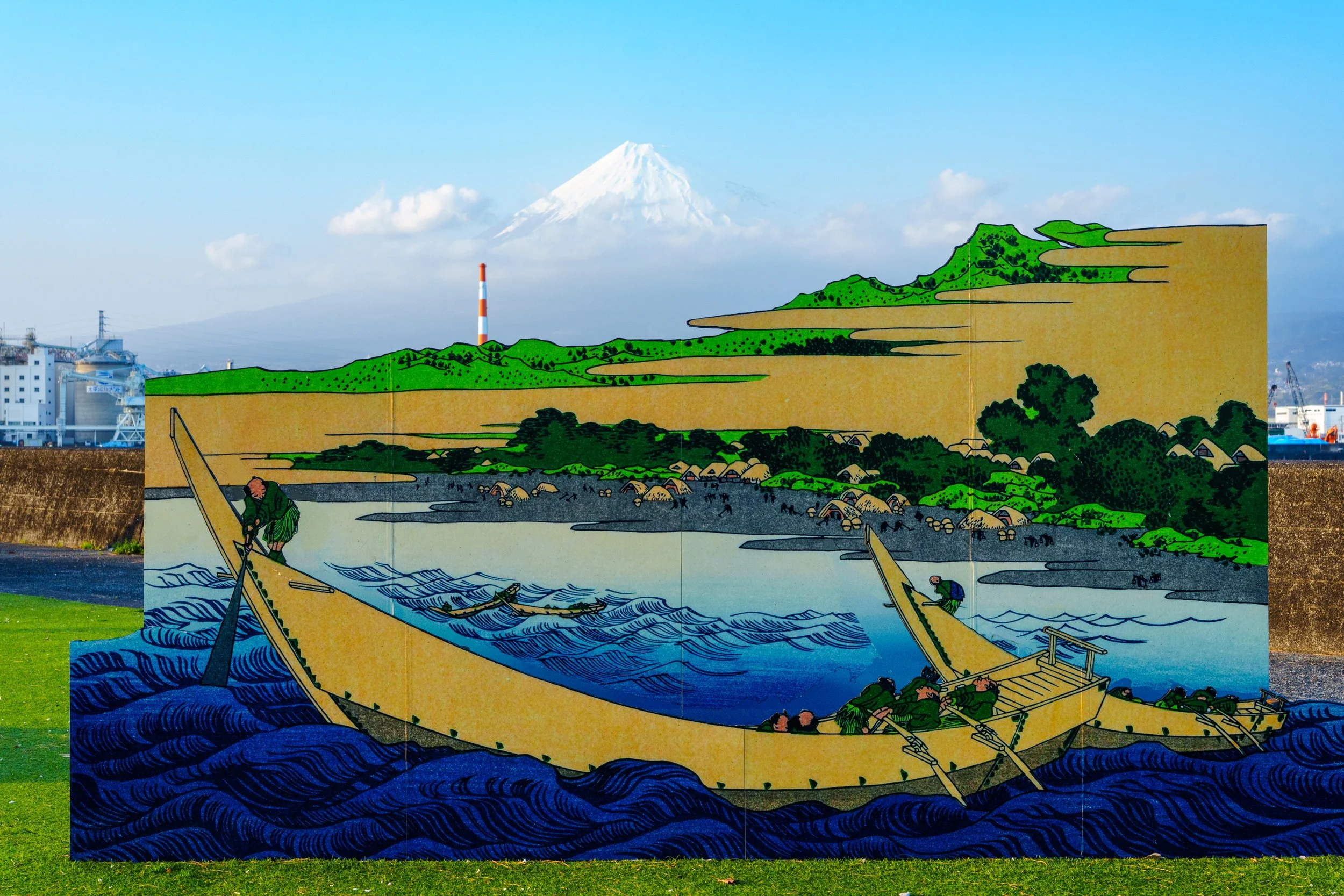
Mt. Fuji and Hiroshige Billboard, Suruga Bay, Shizuoka Prefecture, Chubu. 2025
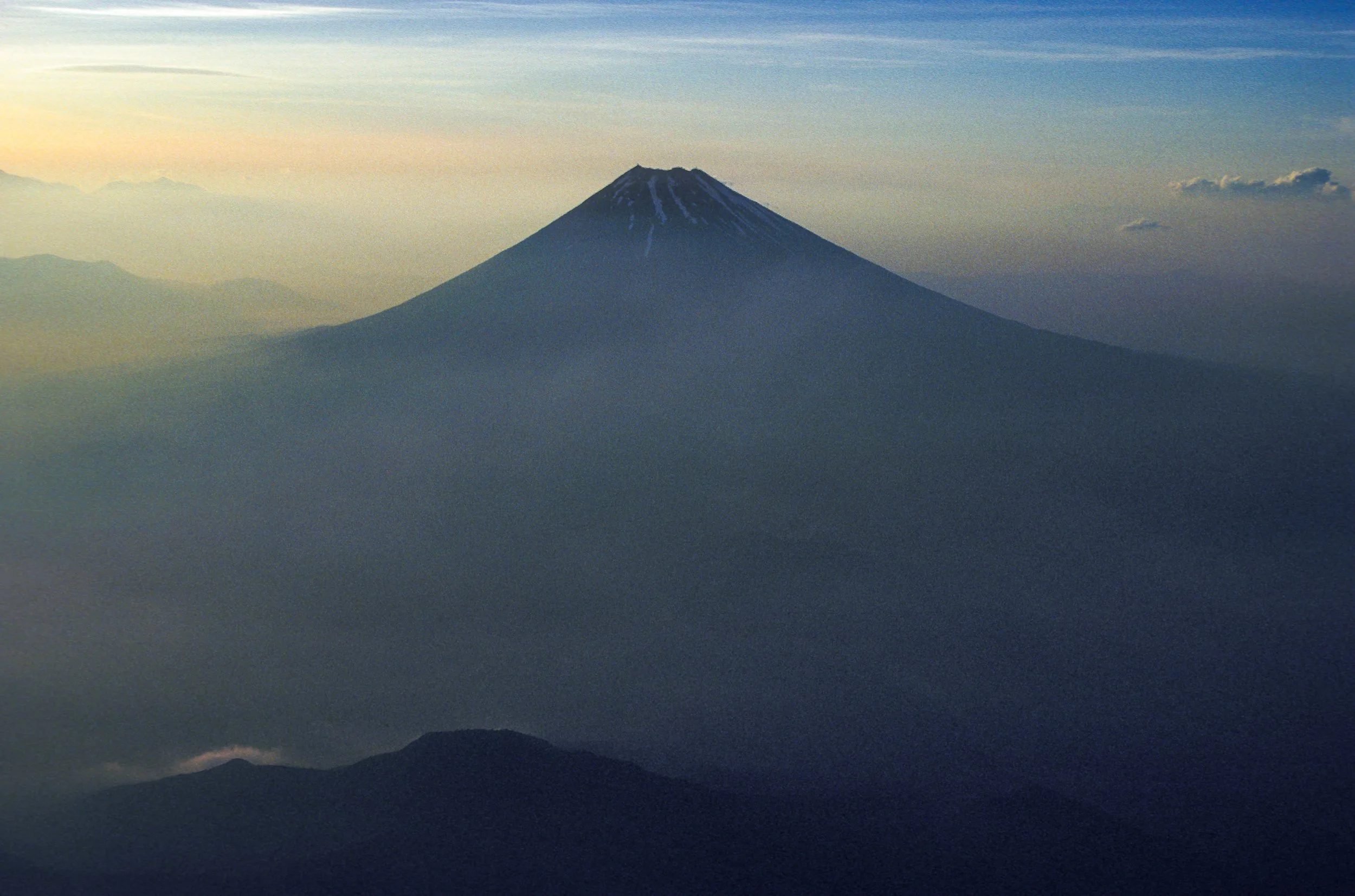
Mt. Fuji, Shizuoka Prefecture, Chubu. 1988
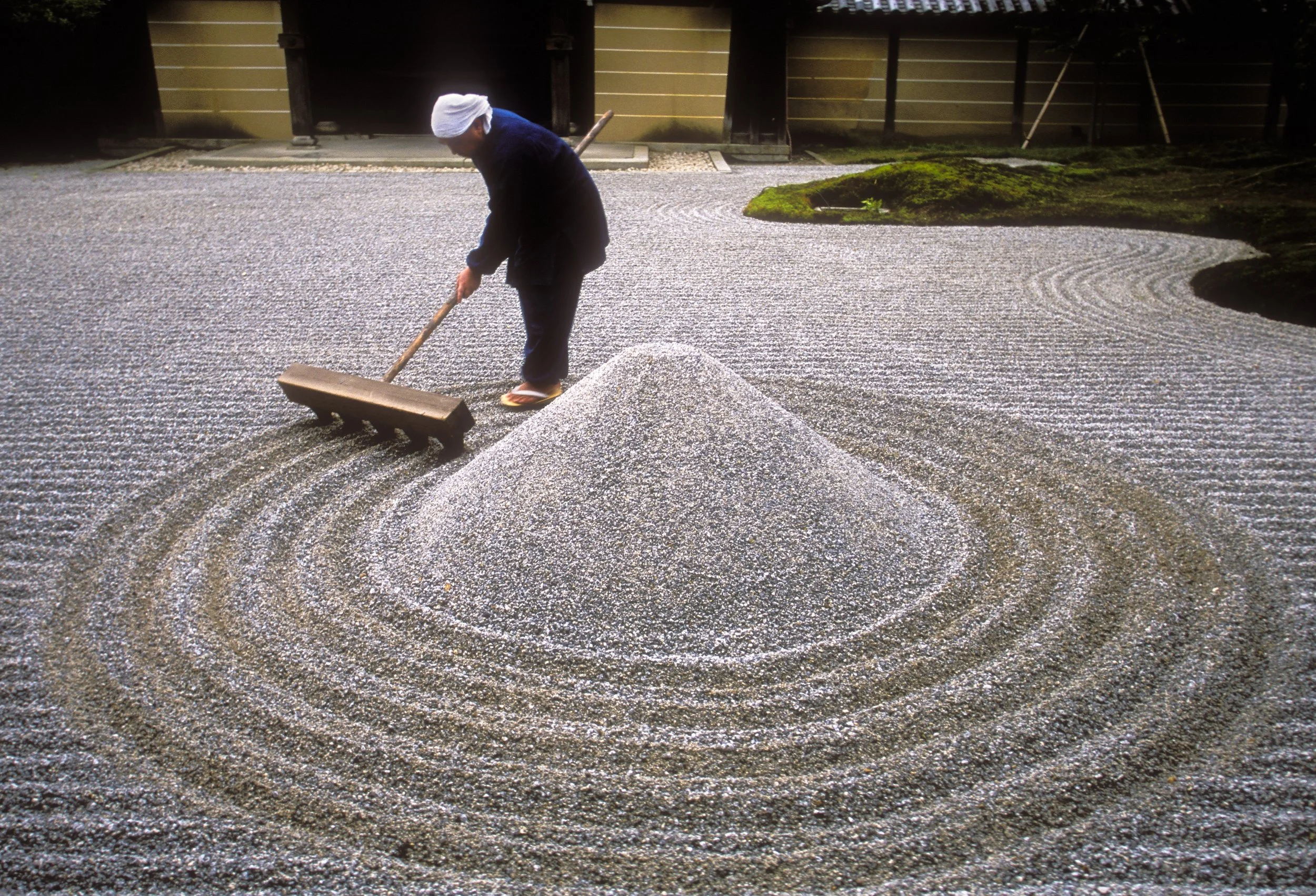
Kodaiji Temple, Kyoto. 2003
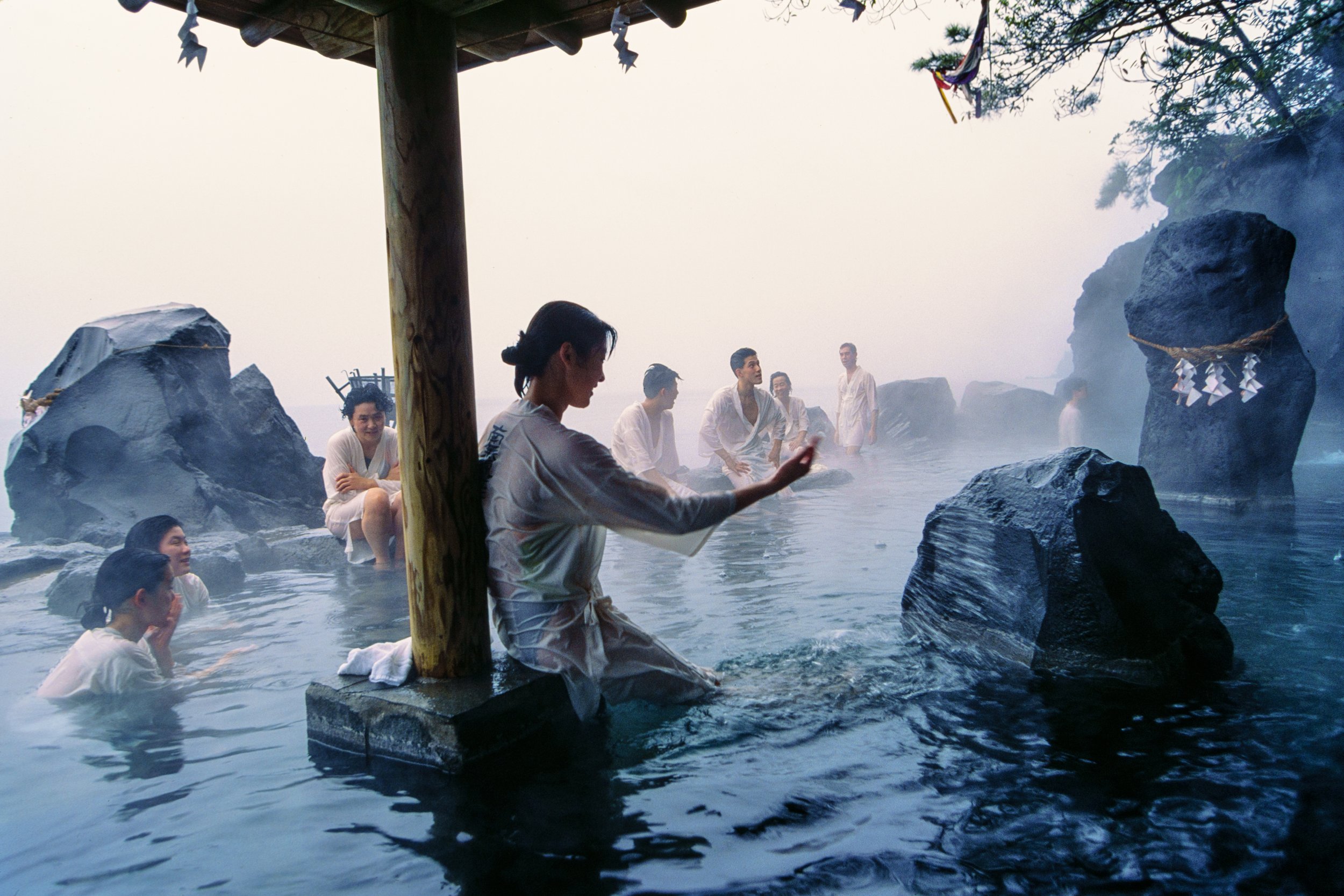
Furusato Hotspring, Kagoshima, Kyushu. 1993
The Nature of Japan is Michael Yamashita’s deeply personal photographic exploration of Japan, shaped by his lifelong connection to his ancestral homeland and decades as a National Geographic photographer.
The book traces Yamashita’s journey from his first visit to Japan—sparked by a desire to understand his heritage—through years of immersion in the country’s landscapes, traditions, and spiritual philosophies. Through evocative images and reflections, Yamashita reveals the intricate relationship between Japan’s people and its natural world, drawing on Shinto and Buddhist influences that celebrate the interconnectedness and impermanence of all things. His work goes beyond tourist clichés, offering a sensory translation of Japan’s scenery, gardens, and daily life, informed by concepts like mono no aware, wabi-sabi, and the artistry of pattern and light.
The book invites readers to see Japan through Yamashita’s lens—where the sacred is found in everyday details, and beauty emerges from both the fleeting and the timeless.